Frequently Asked Questions About Microblading: Answers You Need
Published on February 1, 2025
What Exactly Is Microblading?
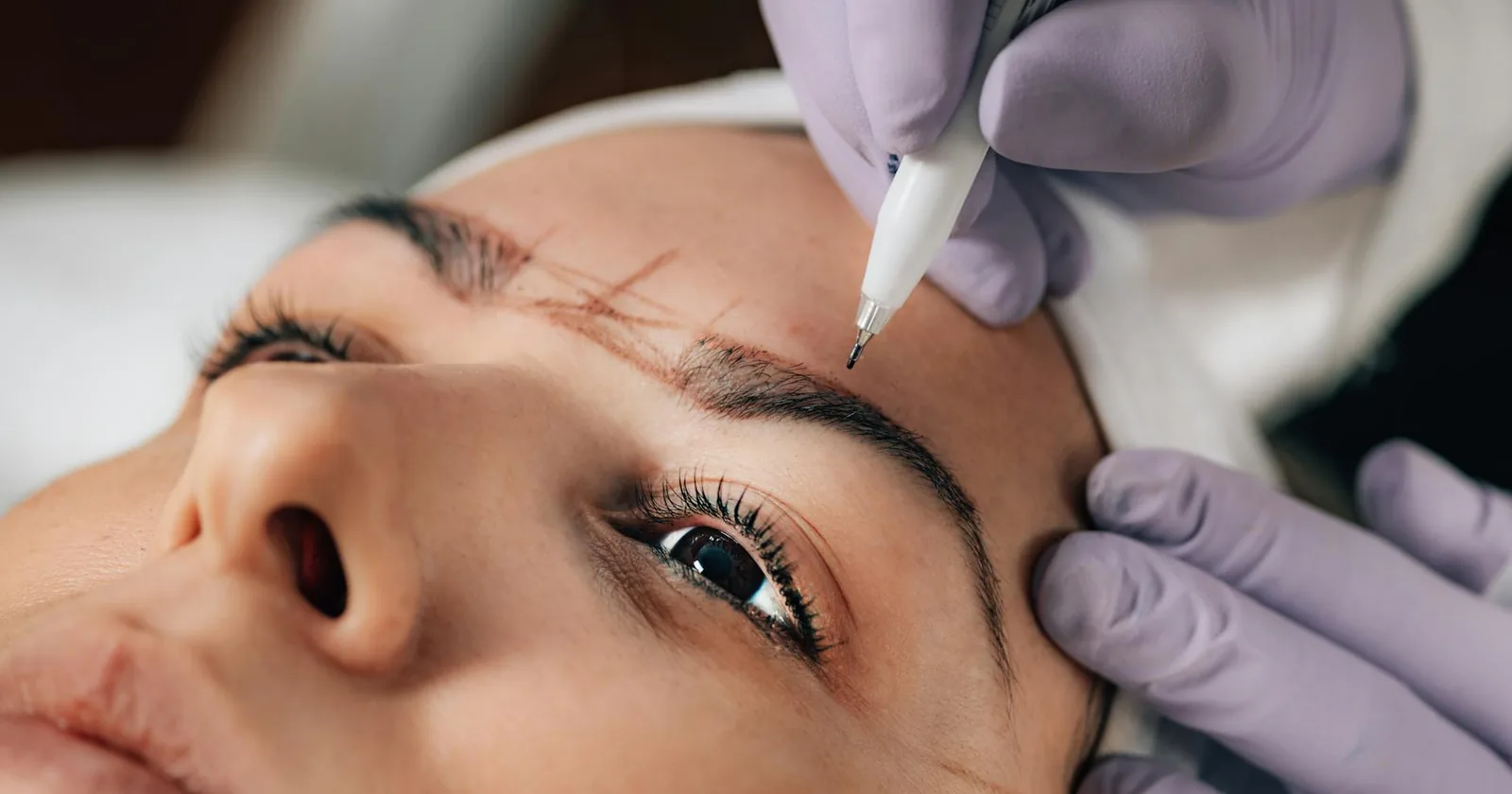
Microblading is a long-lasting but temporary cosmetic treatment designed to give eyebrows a thicker, sharper look by implanting colour pigment beneath the surface of the skin. A trained technician uses a handheld tool equipped with a row of ultra-fine needles to etch fine individual strokes that resemble natural brow hairs into the upper layers of the skin. Unlike traditional body tattooing, which uses a machine to drive ink deep into the dermis, microblading targets the more superficial epidermal layer. This shallower placement is what makes the results semi-permanent rather than lifelong, and it also allows for a more natural, delicate finish that closely mimics real brow hairs.
Does Microblading Hurt?
Sensation varies from person to person, but most clients report only low-level discomfort, more of a dull sting than any acute pain. Common descriptions include a light scratching, stinging, or tingling feeling. Before the procedure begins, the technician applies a topical numbing cream containing ingredients like lidocaine or tetracaine, and this cream is typically reapplied during the session. Most people find the experience comparable to threading or waxing. Individual sensitivity, menstrual cycle timing, and the technician’s pressure and technique can all influence how the procedure feels.
How Long Does It Last?
Microblading results generally last between one and three years, though the exact duration depends on several factors. Skin type plays a major role. People with dry skin tend to retain pigment longer, while those with oily skin often see faster fading because natural oils accelerate the exfoliation process. Sun exposure, skincare products containing retinol or glycolic acid, and the frequency of chemical peels or exfoliating treatments also affect longevity. Most technicians recommend a touch-up session every twelve to eighteen months to maintain color and definition.
What Happens During the Procedure?
A microblading appointment typically lasts between ninety minutes and two hours. The first portion is devoted to consultation and design. The technician uses facial measurements, the client’s bone structure, and existing hair growth patterns to map the ideal brow shape with a removable marker. This step is collaborative: the client approves the shape before any pigment work begins.
Once the shape is agreed upon, the numbing cream is applied and given time to take effect. The technician then begins creating individual brow-mimicking strokes with the microblading tool, working pigment into each incision. The process is typically performed in two passes, with numbing cream reapplied between rounds. After the session, the brows will appear darker and more defined than the final healed result, which is entirely normal.
What Does the Healing Process Look Like?
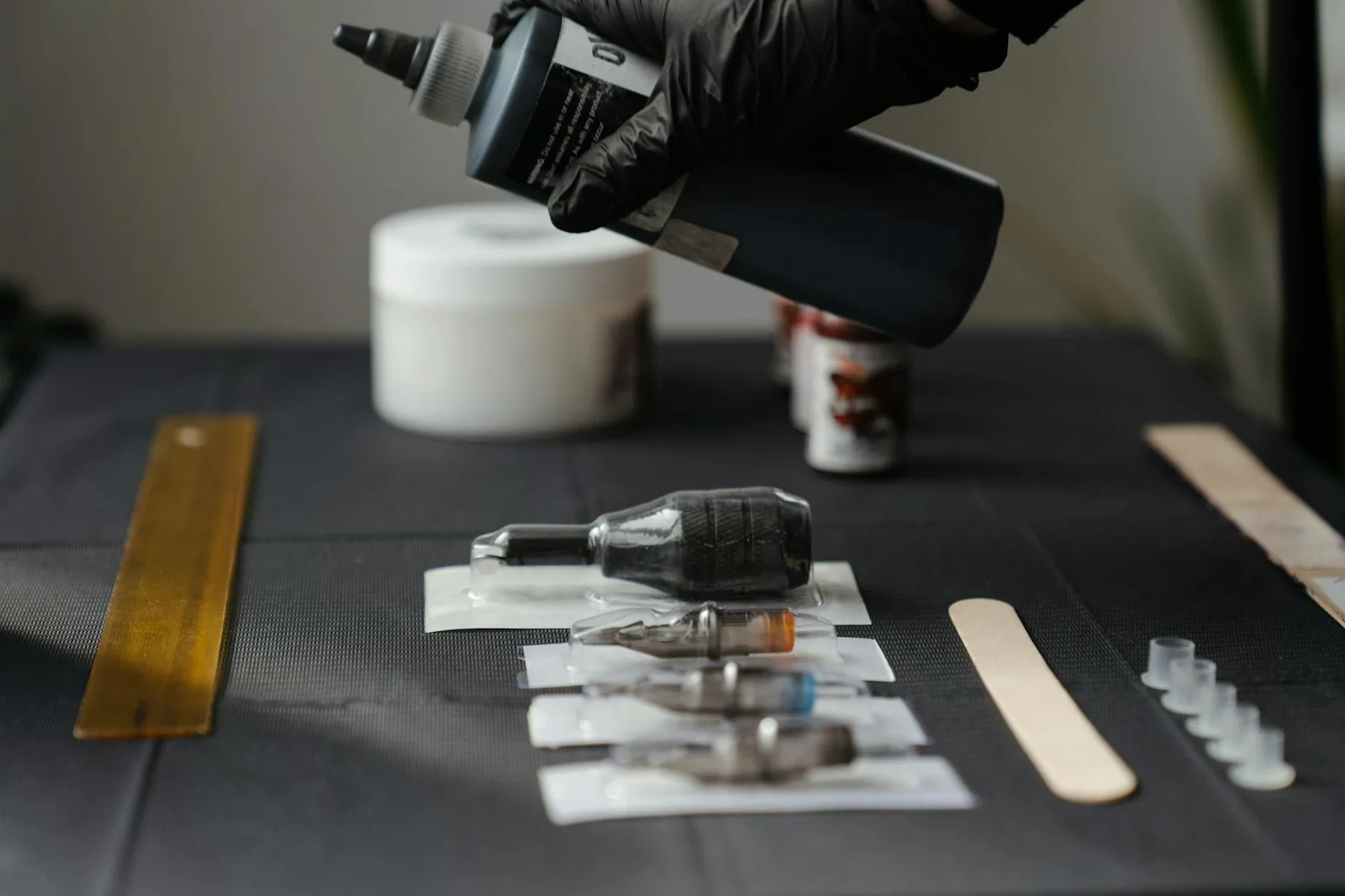
The full healing cycle takes roughly four to six weeks and involves several distinct phases. During the first few days, the brows appear noticeably darker than expected as the pigment mixes with the body’s natural lymph fluid and forms a light protective scab. By days four through seven, mild itching and flaking begin as the scabs start to shed. This phase can be alarming. As the flakes come away, the brows often look patchy or significantly lighter, leading many clients to worry that the pigment has been lost.
That concern is almost always premature. Between days ten and thirty, the skin underneath continues to regenerate, and the pigment gradually resurfaces as the new skin settles. By the six-week mark, the brows have typically reached their true healed color, which is generally twenty to forty percent lighter than the appearance right after the procedure. Any remaining unevenness or gaps are addressed at the mandatory touch-up appointment.
How Much Does It Cost?
Microblading costs vary widely depending on the artist’s experience, reputation, and geographic location. Nationally, prices typically range from three hundred to two thousand dollars for the initial session. Some artists include the first touch-up in that price, while others charge separately for it. Touch-up appointments after the initial healing period generally cost less than the original session.
Because microblading is a cosmetic procedure, it is not covered by health insurance. Some providers offer payment plans to make the cost more manageable. When evaluating price, remember that choosing a less experienced technician to save money can lead to unsatisfactory results and expensive correction work, which costs more in both dollars and discomfort than investing in a skilled artist from the start.
Who Should Not Get Microblading?
Microblading is not appropriate for everyone. People who are pregnant or breastfeeding are generally advised to wait, as the risk of infection and the unpredictability of hormonal skin changes make the procedure inadvisable during this period. Those currently taking blood-thinning medications, including aspirin and certain supplements like vitamin E, should consult their physician before proceeding, as thinned blood can interfere with pigment retention and increase bleeding during the procedure.
People with active skin conditions in the brow area (eczema, psoriasis, dermatitis, or active acne) should postpone until the condition has cleared. Those prone to keloid scarring face a higher risk of raised scar tissue forming along the incision lines. Anyone on antibiotics should wait at least two weeks after completing the course, as certain antibiotics can cause pigment to change color during healing. Clients with very oily skin may find that microblading does not hold well, and a different technique such as powder brows or microshading may produce better results for their skin type.
What Are the Risks?
When performed by a trained, licensed professional using sterile, single-use tools, microblading is considered a safe procedure. As with any process that breaks the skin, though, there are potential risks. Infection is the most serious concern and is largely preventable through proper hygiene protocols and diligent aftercare. Allergic reactions to the pigment are uncommon but possible, and most reputable artists offer a patch test twenty-four to forty-eight hours before the appointment for clients with known sensitivities.
Other potential complications include scarring, uneven pigment distribution, and dissatisfaction with the shape or color. The risk of these outcomes rises significantly when the procedure is performed by an inexperienced or improperly trained technician. Researching the artist’s credentials, reviewing healed results rather than just fresh photos, reading independent reviews, and verifying licensing are essential steps before booking an appointment.
How Do I Choose the Right Artist?
Selecting a qualified microblading artist is the single most important factor in achieving a good outcome. Look for technicians who are licensed in your state, have completed accredited training programs, and can show a portfolio of healed results, not just freshly completed work (which always looks more vivid and precise than the final product). Social media can be a useful starting point, but cross-reference tagged client photos with reviews on independent platforms. Ask about the specific pigments used, sterilization protocols, and what the aftercare process involves. A reputable artist welcomes questions and will never pressure a client into booking before they’re ready.
Feature photo by Roberto Colatosti on Pexels.
Further reading (sources)
- U.S. Food and Drug Administration on the tattoos and permanent makeup fact sheet
- Society of Permanent Cosmetic Professionals for the microblading fact sheet and practice standards
- U.S. Food and Drug Administration with what to weigh before any cosmetic tattoo