Wedding Eyebrow Timeline: When to Microblade Before Your Big Day
Published on May 13, 2026
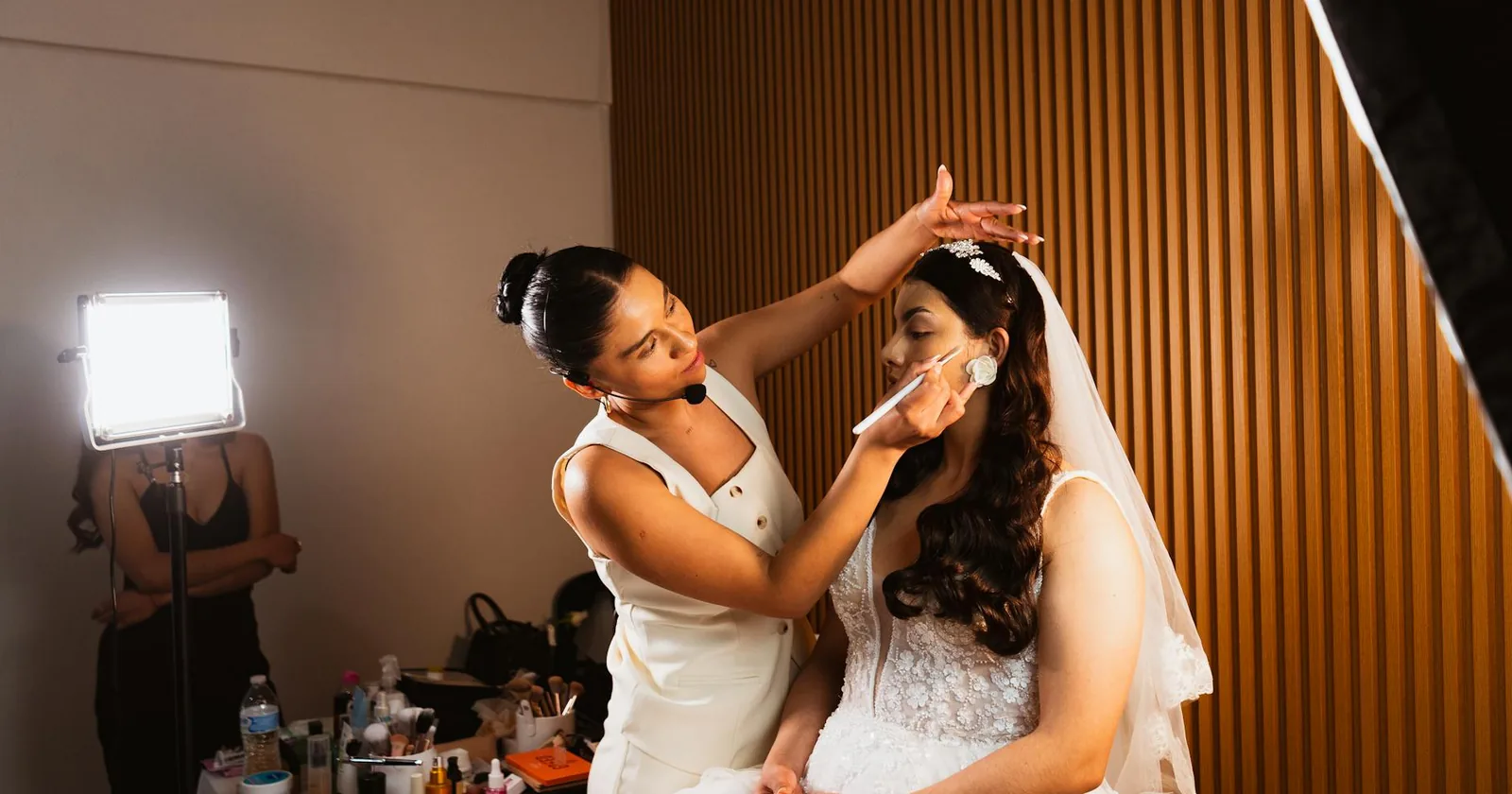
Why Timing Matters More Than the Technique
Microblading is one of the smartest investments a bride can make in her wedding-day look, but only when the timing is right. The procedure delivers natural, hair-stroke brows that hold up through tears, kisses, and a fourteen-hour day in front of a camera, yet the healed result you see in photos is not the result you walked out of the studio with. It is the result of a full healing cycle, a follow-up appointment, and a quiet final stretch where the skin settles into its true color. Get the calendar wrong and you risk standing at the altar with brows that are still flaking, two shades too dark, or patchy in the wrong places. Get it right and your brows simply look like the best version of themselves, photographed flawlessly from every angle.
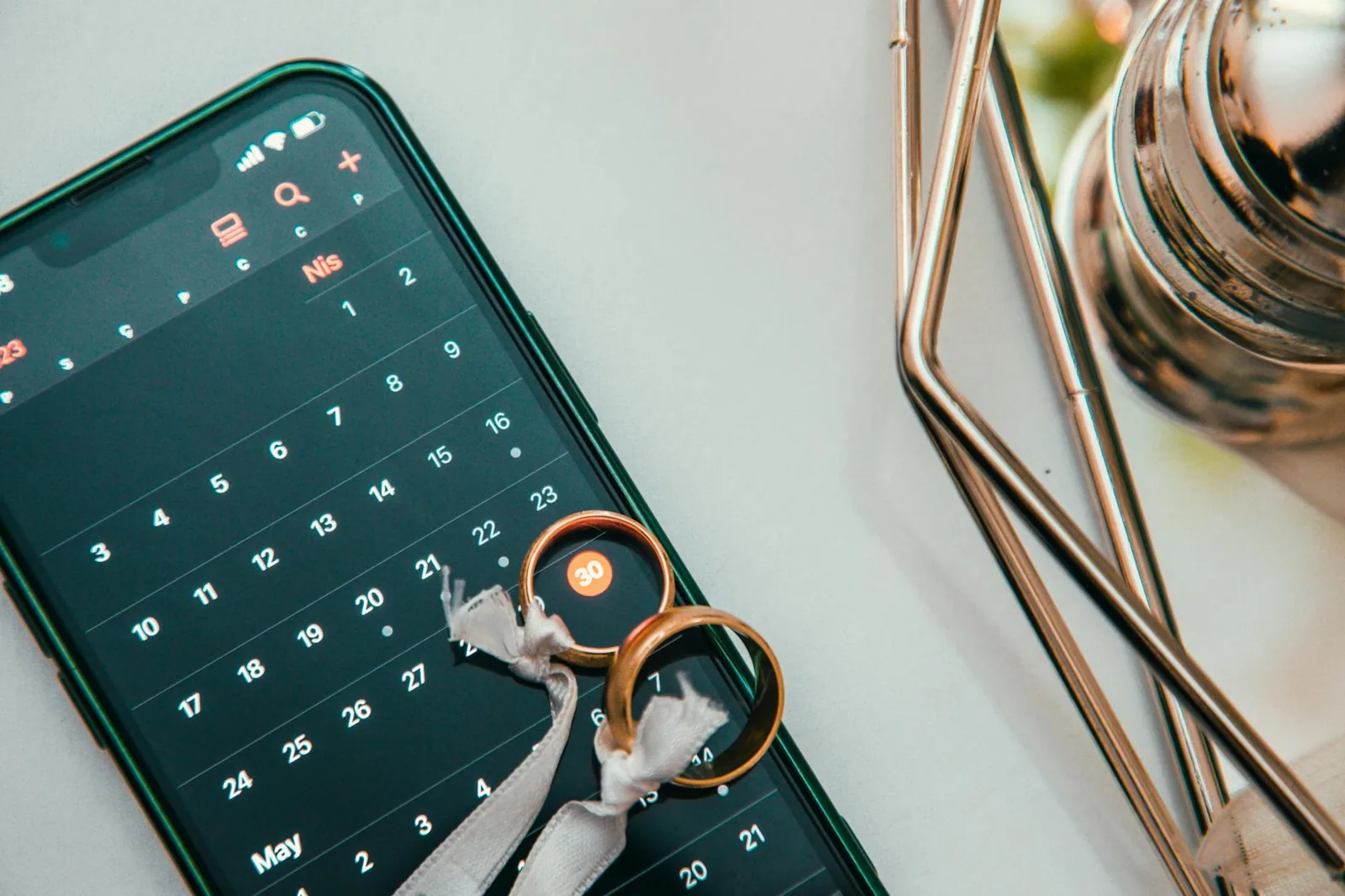
Brides often underestimate how long the process actually takes. The initial session is just one step, and the touch-up six to eight weeks later is just as important. Working backward from the wedding date is the only reliable way to schedule, and the math leaves less room than most people think.
The Four-Month Rule: Working Backward From Your Wedding Date
The safest target is to have your initial microblading appointment at least three to four months before the wedding. That window gives you enough time to complete the full cycle: roughly six weeks of healing after the first session, the touch-up appointment, and another four to six weeks for the touch-up itself to settle. Plan in a buffer beyond that and you also build in a safety net for life events such as a delayed touch-up, an unexpected reaction, or a busy artist whose schedule is full.
If the wedding is twelve weeks away, you are at the edge of the comfortable window. You can usually still book, but everything must run on schedule with no slippage. If it is less than eight weeks away, skip microblading entirely for the wedding itself. The brows will not have time to heal and refine, and showing up to your ceremony mid-scab is a memory no one wants. In a short timeline, brow lamination, tinting, or a careful makeup application with a comparison of brow techniques in mind will give you a far better same-day result.
Booking the Initial Appointment
Pick your artist early. Bridal season fills calendars fast, and the most skilled technicians are often booked six to twelve weeks out for new clients. Begin researching at least five months before the wedding, ideally six. Review healed portfolios rather than fresh-off-the-needle photos, verify state licensing and bloodborne pathogen certification, and ask about their experience working with brides specifically. A consultation visit, often free or low-cost, lets you discuss shape, color, and timing in person before committing.
At the consultation, mention the wedding date directly. Experienced artists adjust the design, pigment depth, and touch-up scheduling for brides who need a specific result on a specific day. They may also recommend a patch test twenty-four to forty-eight hours in advance, which is essential if you have any history of skin sensitivities. Pigment allergies are rare but real, and a reaction discovered the week of the wedding is not a story you want.
The Six-Week Healing Window
The healing cycle following the initial session unfolds in predictable stages, and brides should know them in advance so the rougher days do not cause panic. For the first three or four days, the brows appear noticeably darker and bolder than your final result. This is normal. The pigment is sitting on top of newly disrupted skin and mixing with lymph fluid as the body begins repair.
Between days five and twelve, light scabs form and then flake away. As they shed, the brows can look patchy, faded, or uneven. Many first-time clients panic during this phase, convinced the procedure failed. It did not. The new skin underneath is simply too fresh to reveal the pigment clearly. By weeks four through six, the brows have lightened to their true healed color, generally twenty to forty percent softer than they appeared on day one. Any gaps left by uneven retention are flagged for the touch-up.
Because so much of this looks unsettled in photos, brides should never schedule engagement shoots, bridal showers, or dress fittings during the first three weeks of the healing window. The brows will read on camera as darker or patchier than they actually are. Practicing the discipline of following your aftercare instructions carefully during this stretch directly determines how good the brows look on your wedding day.
The Touch-Up Appointment: The Step You Can’t Skip
The follow-up session, scheduled six to eight weeks after the initial appointment, is where the brows are perfected. The artist fills gaps, evens out color, refines the shape, and accounts for how your specific skin retained pigment. Even with flawless aftercare, almost every client needs adjustments here. Skipping the touch-up for time or budget reasons leaves you with brows that may look uneven or thin on the wedding day.
For a wedding, the touch-up should land at least four to six weeks before the ceremony. This second healing cycle is shorter and gentler than the first, but the brows still need time to settle, flake, and reveal the final color. Plan the touch-up appointment at the same time you book the initial session, so both dates are locked in before the artist’s calendar fills.
The Final Two Weeks: What to Avoid
Once you are inside the last fourteen days before the wedding, treat the brow area with absolute care. The pigment is healed at this point, but the skin is still settling, and you want zero risk of accelerated fading, color shift, or irritation. Avoid the following:
- Chemical exfoliants such as retinol, glycolic acid, salicylic acid, and AHA serums anywhere near the brows. These pull pigment from the surface and lighten the result.
- Facials, chemical peels, microdermabrasion, and laser treatments on the upper face. Schedule these well before the touch-up, not after.
- Heavy sun exposure and tanning beds. UV light fades fresh pigment quickly. If you are honeymooning somewhere sunny, the wedding day is your peak color, and post-wedding sun will fade the brows faster.
- Waxing, threading, or tweezing in the brow area. Your artist already shaped the brows, and any further hair removal should be done by them, not a separate salon visit the week of the wedding.
- New skincare products of any kind. A wedding is a terrible time to discover that a new serum causes a reaction. Stick to the routine your skin already trusts.
If you have a history of skin conditions like eczema, rosacea, or dermatitis, consult your dermatologist well in advance. Stress is also a real factor, and pre-wedding cortisol spikes can affect skin behavior. Sleep, hydration, and a calm skincare routine matter more than any last-minute product.
Day-of Confidence
By the time the wedding morning arrives, your brows should require almost nothing. The shape is set, the color is healed, and the symmetry has been refined twice. Your makeup artist may add the lightest brushing of a brow gel or a single hair-stroke pencil mark in any sparse spot, but full brow product is no longer needed. Most brides find this is the very first time they have felt confident in their brows without any makeup at all, and that confidence shows in every photograph.
The hidden value of a well-timed bridal microblading schedule is that your wedding-day look extends naturally into the honeymoon, the thank-you photos, and the months of post-wedding life. With careful sun protection and a routine touch-up at the twelve-to-eighteen-month mark, the brows you wore down the aisle stay with you. If you are still weighing whether the procedure is right for you, browse the most common microblading questions before you book. The brides who plan carefully are the ones who walk down the aisle worrying about anything other than their eyebrows.
Further reading (sources)
- Brides on when to schedule eyebrow treatments before the wedding
- U.S. Food and Drug Administration on the tattoos and permanent makeup fact sheet
- Society of Permanent Cosmetic Professionals for the microblading fact sheet and practice standards
- U.S. Food and Drug Administration with what to weigh before any cosmetic tattoo
- Peer-reviewed research on a microbiological survey of permanent makeup inks sold in the US
Feature photo by Vladimir Flores on Pexels.