Hairstroke Brows: The Complete 2026 Guide to Microblading's Modern Successor
Published on June 7, 2026
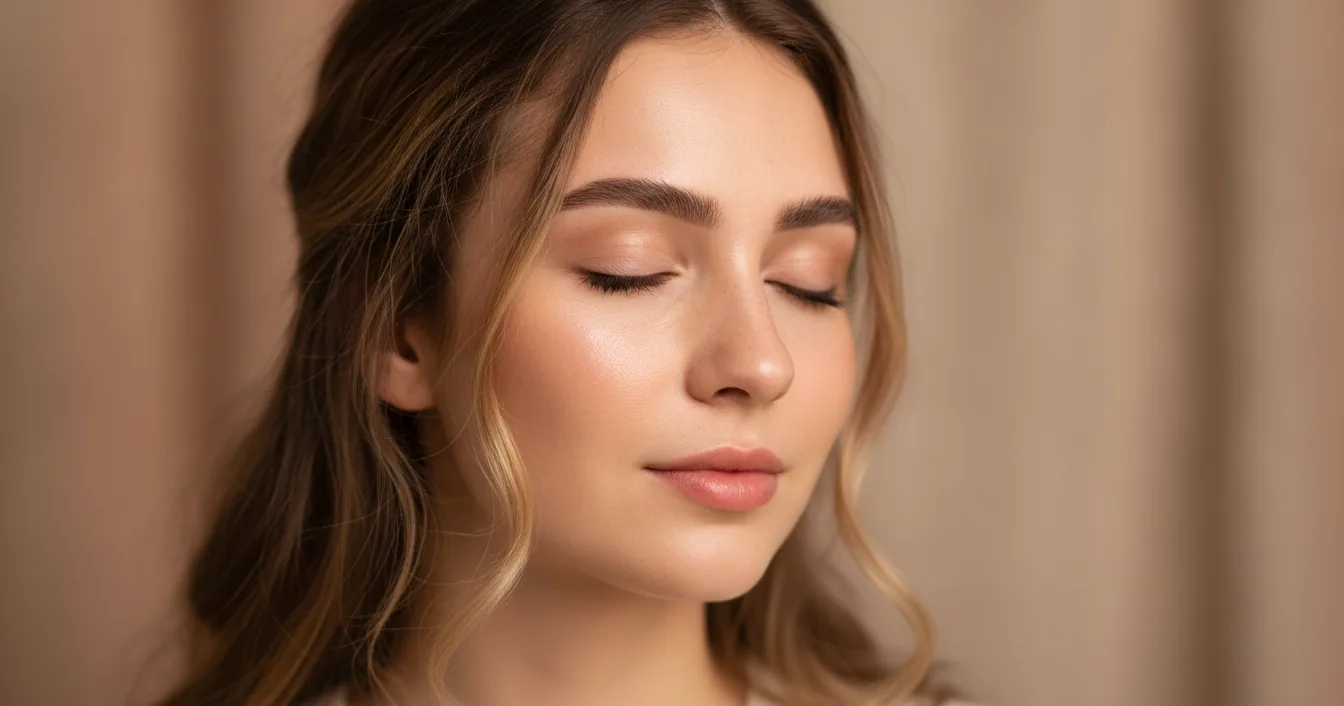
If you have searched for brow tattooing lately, you have probably noticed a shift in the language. The word that dominated the last decade, microblading, is quietly being replaced by a newer one: hairstroke brows. Walk into a studio in 2026 and many artists will gently steer you away from the classic handheld blade and toward a machine-based method instead. So is microblading dead? Not quite. But it is no longer the automatic answer it once was, and understanding why will help you choose the right brow treatment for your skin.
What Are Hairstroke Brows, Exactly?
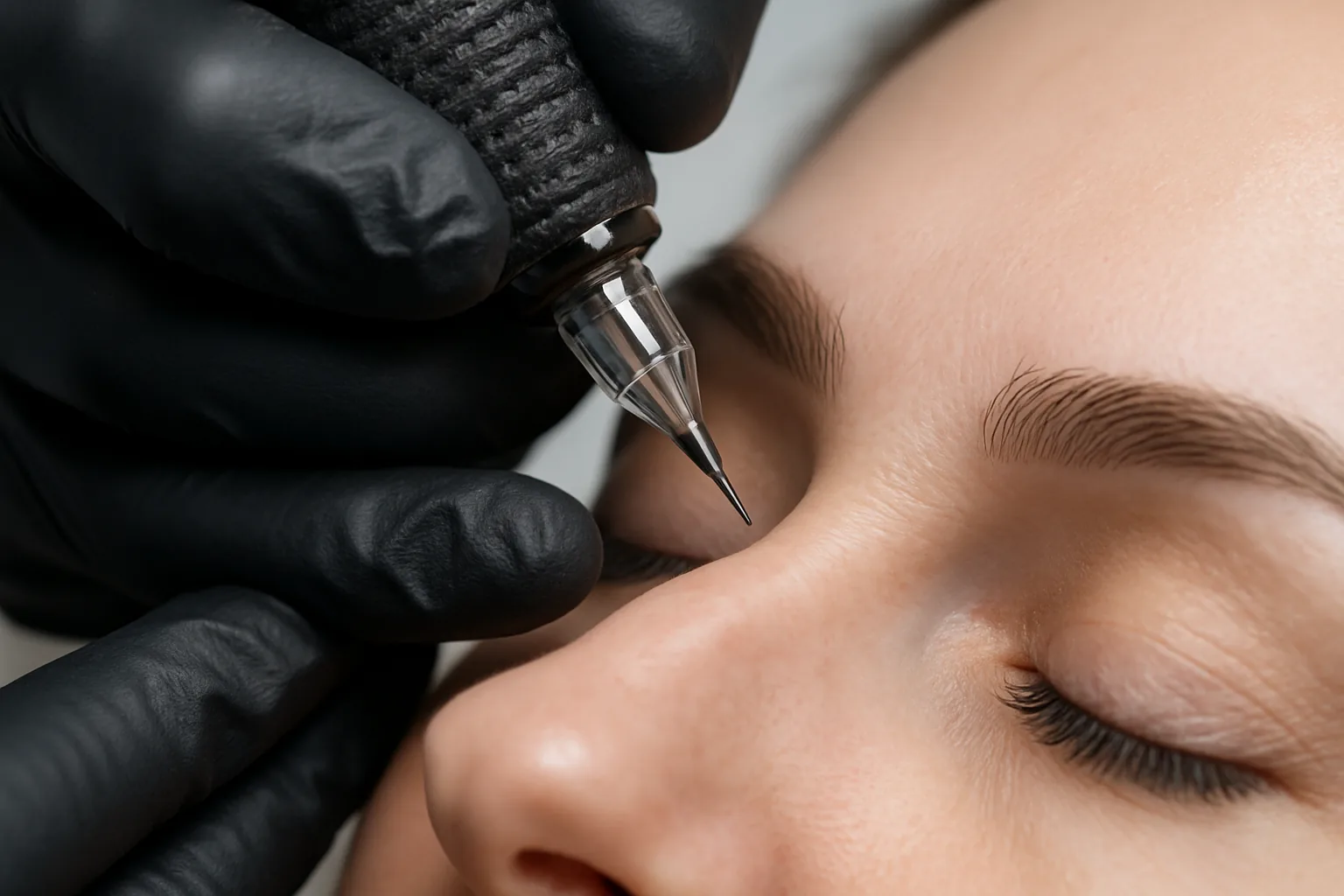
Hairstroke brows is an umbrella term for machine-based cosmetic tattooing that mimics individual brow hairs. Instead of a handheld blade, the artist uses an electric rotary tattoo machine fitted with a single ultra-fine needle, often just 0.30 to 0.35 millimeters wide, to deposit tiny dots of pigment that build into crisp, hair-like strokes. You will see the same approach marketed under several names. Nano brows (sometimes called nanoblading), brow feathering, and machine hair strokes all describe variations on the same idea. The goal is a brow that looks fuller and more defined without reading as bold, blocky, or obviously done.
This is the look the whole industry has been moving toward. As one veteran cosmetic tattoo artist put it, demand has shifted away from heavily defined brows and toward softness and realism. People want brows that look like brows, which is exactly what a well-placed set of hair strokes delivers.
Hairstroke vs Microblading: What Actually Changed
The headline difference is the tool. Traditional microblading etches strokes into the skin by hand, dragging a blade made of several tiny needles through the surface to cut each line. Hairstroke methods like nano use a digital machine and a single fine needle that taps pigment in as a series of small dots, which lets the artist place super-precise, consistent lines.
That change in tool changes how the skin responds. The manual blade creates more trauma, which is why microblading can be uncomfortable and why it heals less predictably on certain skin types. Machine hair strokes are gentler, cause less damage to the skin, and tend to heal more evenly. One artist describes nano brows as the hyper-realistic big sister of microblading, and now recommends the machine method for the majority of her clients. For the wider picture of how brow tattooing stacks up against pencils, powders, and grooming, see our guide to microblading versus traditional eyebrow techniques.
Who Hairstroke Brows Suit Best
The biggest reason for the shift is skin compatibility. Classic microblading does its best work on dry to normal skin. Oily and textured skin tends to blur the fine strokes and fade them faster, and sensitive or thinning skin can bleed or react to the blade. Because the hairstroke needle is so fine and the dots of pigment so small, the machine method widens the range of who can get a good result. Oily skin still fades faster than dry skin, but many oily clients now see acceptable retention with nano. The gentleness also makes it a friendlier option for thin, sensitive, or mature skin after 50, where blade trauma is a bigger concern. For a full breakdown of how each skin type behaves, our microblading by skin type pairing guide goes deeper.
It is also a strong choice when there is very little brow hair to work with. Artists use hairstroke techniques to rebuild brows for clients with naturally sparse hair, and even for those managing hair loss from alopecia or chemotherapy, because each fine stroke can be saturated or softened to match whatever hair is already there. For anyone tired of penciling their brows in every single morning, that low-maintenance payoff is the whole appeal.
Two groups should temper their expectations. People with thick, coarse brow hair may find the delicate strokes do not blend convincingly, since a tiny needle cannot mimic a hair that is bigger than itself. Powder brows or a combination approach usually suit them better. And on deeper skin tones the technique is less perfected. Pigment can heal toward an ashy gray, green, or even blue tone over time, so it is essential to choose an artist with proven, healed results on skin like yours.
Pigment Depth and Why It Heals Cleaner
Hairstroke work lives in a shallow layer of the skin. The fine needle deposits pigment close to the surface, which is part of why the strokes look crisp and why the procedure stays relatively gentle. Most artists report that pain is minimal, and plenty of clients doze off in the chair. Depth is also where skill matters most. If an inexperienced artist applies too much pressure and drives the needle too deep, the pigment can reach lower layers of skin and lead to scarring or a blurred line that spreads with time. Shallow, consistent placement is the entire game, and it is the hardest part to fake.
Healing Timeline and How Long It Lasts
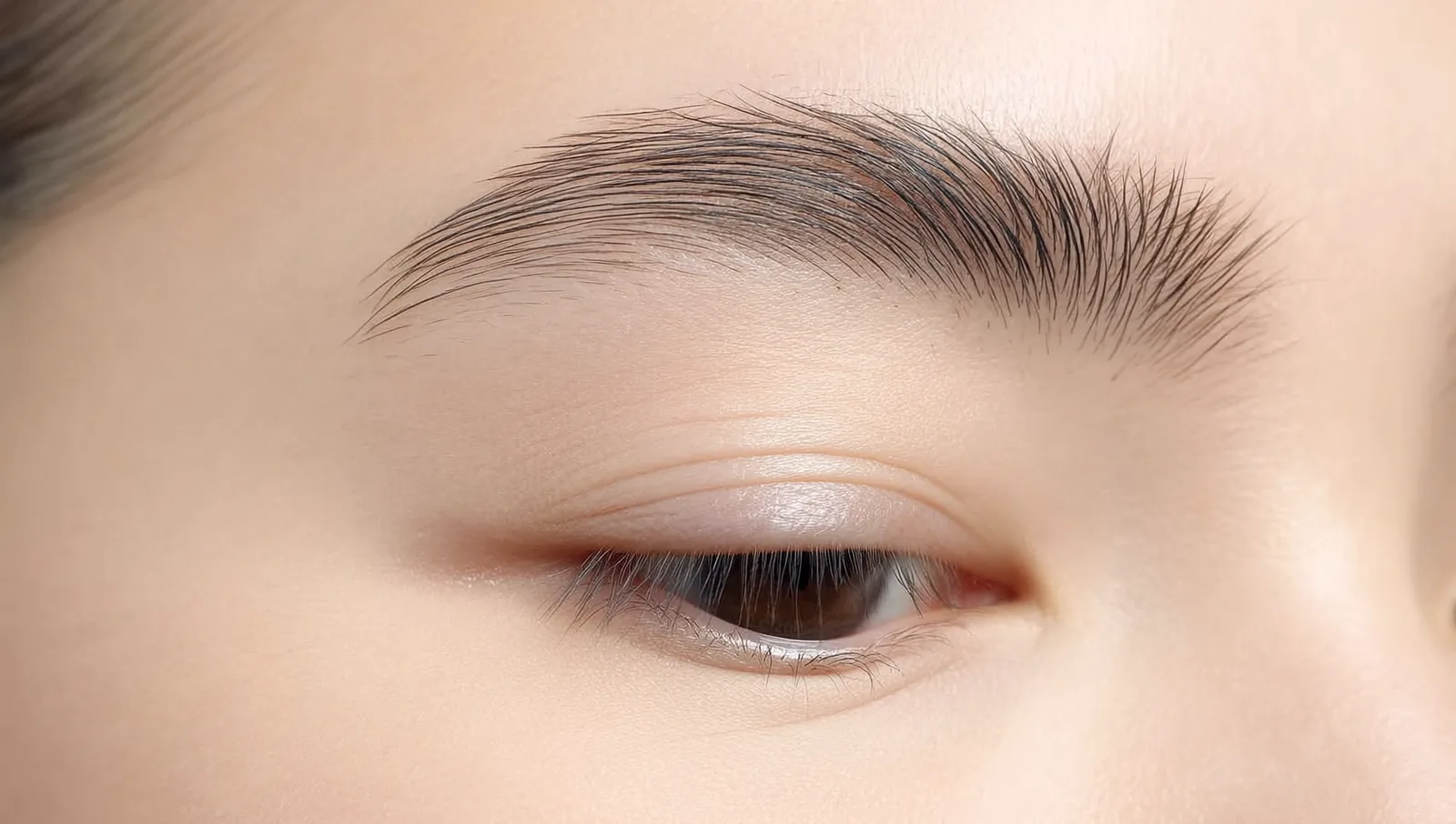
Plan for roughly 10 to 14 days of surface healing, during which the strokes look darker and sharper before they soften to their true tone. Almost every client returns for a perfecting session about six weeks after the first appointment, when any gaps left by healing get filled and the shape is refined. Like all brow tattoos, hairstroke results are semi-permanent, not permanent. Healed pigment generally holds for somewhere in the range of one to three years before it needs a color refresh, though machine hair strokes tend to fade more evenly than a blade and keep their detail a little better as they go. Diligent aftercare in the first two weeks protects the result, and our microblading aftercare guide walks through the healing stages day by day. It applies just as well to machine hair strokes.
How to Spot a True Hairstroke Artist
Here is where 2026’s biggest pitfall hides. As hairstroke and nano became selling points, some artists simply rebranded their existing microblading service with the trendier name. A few questions separate the real thing from a relabel.
- Ask what tool they use. A genuine hairstroke or nano artist works with a rotary machine and a single fine needle, not a handheld blade.
- Demand a portfolio of healed work, not just fresh, day-of photos. Fresh brows always look crisp. Healed photos at six weeks and a year tell you how the pigment actually settles.
- Confirm they work across a range of skin types and tones. An artist who only ever shows one skin type may not know how to handle yours, which matters enormously on oily and deeper skin.
- Check licensing and current bloodborne pathogen certification. Hairstroke work breaks the skin, it is a regulated procedure, and an unlicensed practitioner is a genuine safety risk, not a bargain.
And before any pigment touches your brows, insist on a patch test. Allergic reactions to pigment can surface at any age, and a small test placed somewhere discreet is cheap insurance against a result you cannot easily undo.
So, Is Microblading Dead?
No, but its role has narrowed. For dry to normal skin and a client who loves the hand-etched look, a skilled microblader can still deliver beautiful results, and microblading remains the technique that put brow tattooing on the map. What has changed is that it is no longer the default recommendation. For oily, sensitive, mature, or scarred skin, machine hair strokes are usually the gentler and more forgiving choice, which is precisely why the industry has shifted toward them.
Whichever you choose, keep one fact front and center. Even a soft, natural hairstroke brow is a tattoo. It fades, but it does not fully disappear, and trends move faster than pigment does. Pick a shape and color you will still be happy with in a few years, expect results to vary with your own skin and your artist’s skill, and check with a dermatologist first if you have eczema, rosacea, or any inflammatory skin condition. Many of the questions clients ask before booking are answered in our microblading FAQ. Done thoughtfully, a hairstroke brow is the most natural-looking brow tattoo available today, and that is exactly why it is the technique to beat in 2026.
Sources
- HOLA on why hairstroke brows are overtaking microblading in 2026
- Marie Claire for how brow tattooing evolved since the 2016 microblading boom
- Women’s Health with a full rundown of nano brows, their pros, and their cons
- Women’s Health UK covering the fine-needle nano technique and what to expect
- HELLO! on a micropigmentation expert’s guide to modern brows
- Real Simple reporting the rise of soft, feathered eyebrows