Bumps, Lumps, and Granulomas After Microblading: When Late Reactions Show Up and What to Do
Published on June 10, 2026
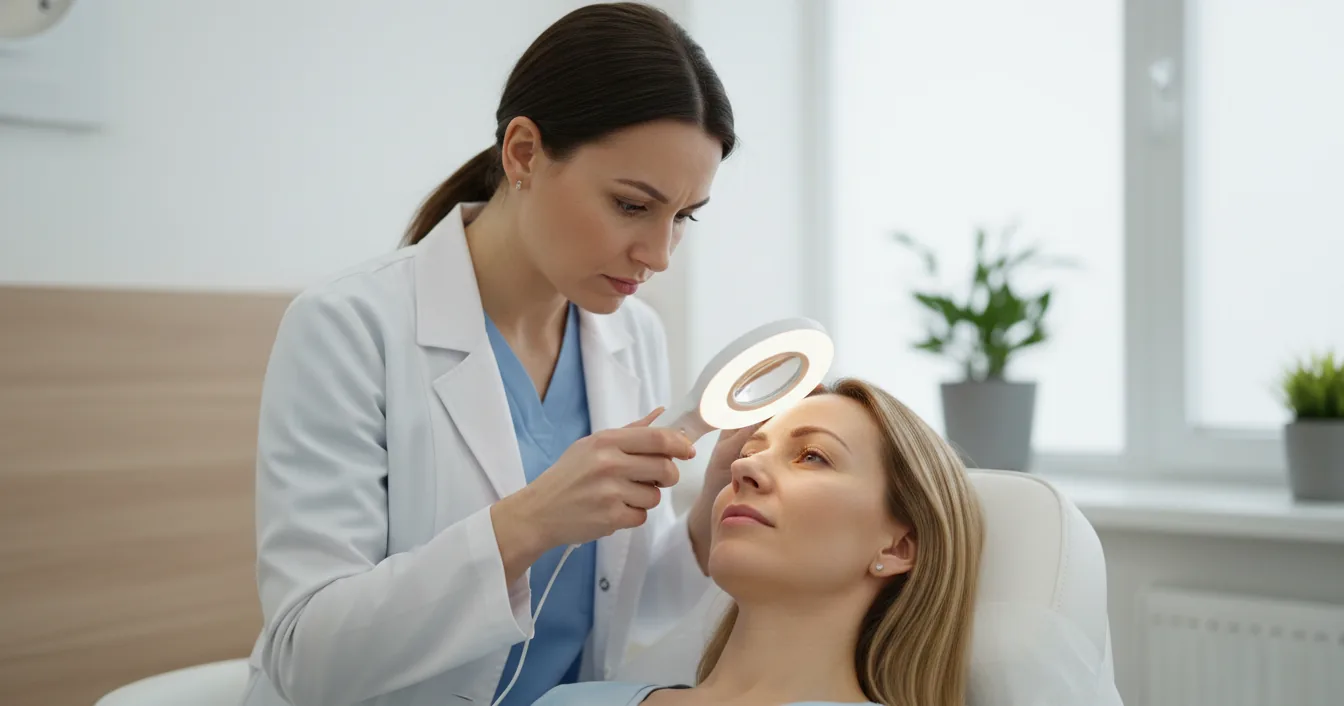
Most microblading bumps are nothing to worry about. A little swelling on the first day, a light scab through the first week, the odd tiny whitehead while the skin closes over. They follow a predictable timeline and they are gone inside two weeks. What unsettles people is the other kind of bump, the one that shows up after the brows have fully healed, sometimes months or even years later, as a firm lump or a cluster of raised papules sitting right where the pigment was placed. These late reactions are uncommon, but they are real, and they confuse clients and family doctors alike because they arrive long after anyone is still thinking about the procedure. Knowing how to tell a delayed pigment reaction from a normal healing bump is the first step toward handling it calmly.
Normal Healing Bumps vs. a Late Reaction
The bumps that belong to normal healing are easy to place once you know the sequence. In the first day or two the brows can look puffy and feel tender as the skin responds to being broken. From around day two a thin scab forms, and by day four or five it tightens, itches, and begins to flake. Some clients also get a few pinpoint whiteheads or small milia while the surface knits back together, usually from ointment sitting too heavily on the skin. Every one of these resolves within the standard two-week healing window. Our microblading aftercare guide walks through that day-by-day timeline in detail, and if your bump turned up inside those first two weeks, whiteheads, milia, and pimples during microblading healing is the guide you want, since it tells those three apart and flags the ones that are heading toward infection.
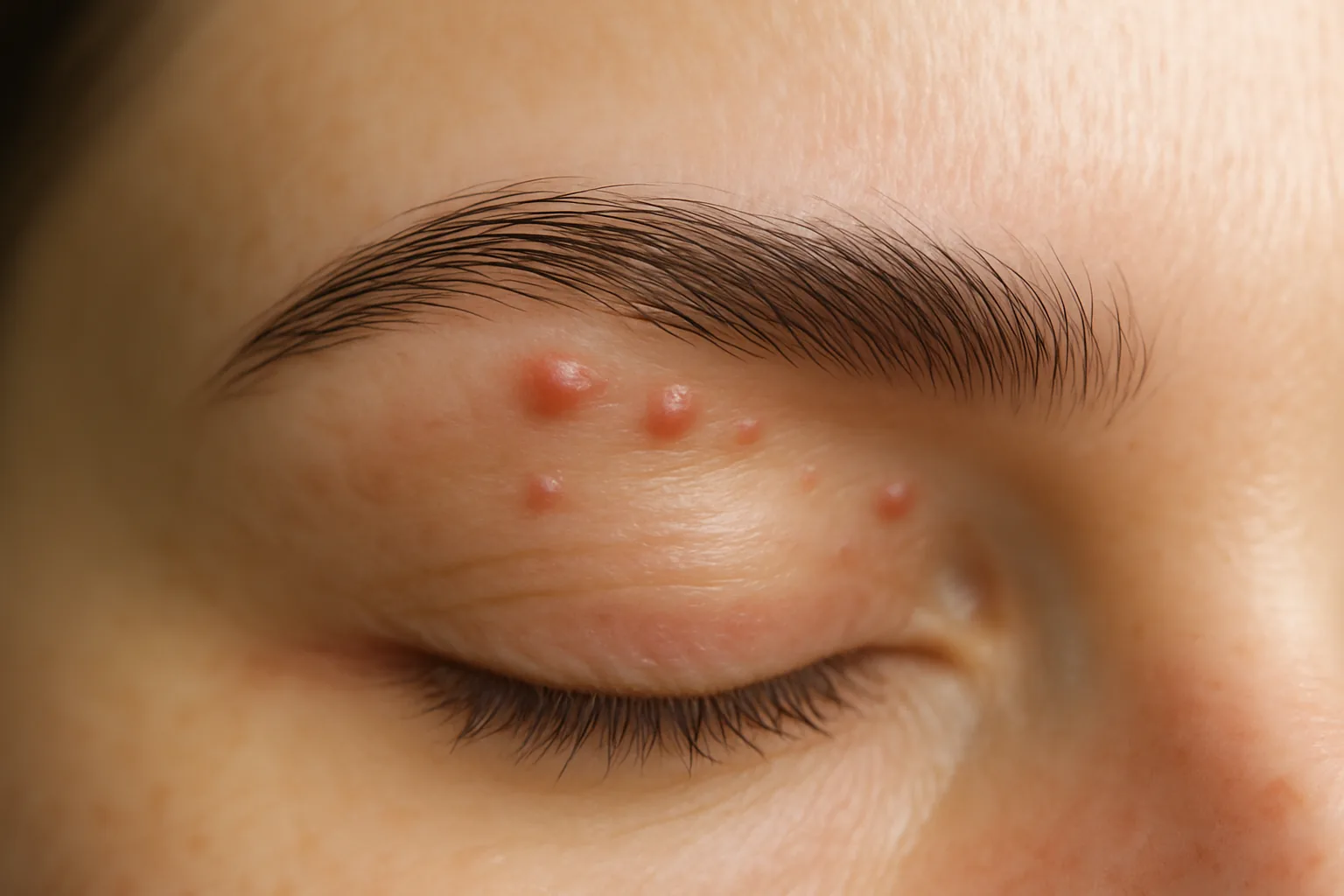
A late reaction breaks the timeline. It appears after the brows have healed, the strokes have settled, and life has moved on. Instead of a flaking scab you get firm, persistent papules or nodules, often red-brown or skin-colored, raised above the surface and sometimes itchy or tender. They do not shed on schedule because they are not part of healing at all. They are the immune system responding to the pigment itself.
What a Delayed Pigment Reaction Looks Like
Late reactions to microblading pigment come in a few recognizable forms, and a dermatologist usually needs a small skin biopsy to tell them apart for certain.
The most talked-about is the foreign-body granuloma. The body treats the pigment particles as something it cannot break down or absorb, so it walls them off with clusters of immune cells, producing firm papules or nodules along the pigmented lines. A related and more striking pattern is the sarcoid-type granuloma. In one published case, a 28-year-old woman developed asymptomatic red-brown papules across both eyebrows three months after microblading, and a biopsy showed non-necrotizing sarcoid granulomas formed in response to the pigment.
Allergic and lichenoid reactions make up the other common groups. An allergic reaction can present as redness, swelling, and small papules, sometimes weeping clear fluid, and it tends to single out particular pigment colors. Red and orange shades are frequent culprits, while black pigment is the one most often tied to the granulomatous reactions above. Lichenoid reactions look purplish, flat-topped, and scaly. Whatever the pattern, the giveaway is that the change is confined to the tattooed area and stays put rather than fading.
Why a Reaction Can Lag Weeks or Years
The thing that makes these reactions so confusing is the delay. Microblading pigment is implanted into the upper dermis and it stays there, which means the immune system has an open-ended window to react to it. Onset times in the medical literature run the full range, from symptoms within days of the procedure to a first flare several years later. One foreign-body reaction in the dermatology literature described nodules surfacing more than a decade after the ink went in.
Several things can wake up a quiet reaction. Sunlight, illness, or a shift in the immune system can all play a part, and the pigment slowly breaks down over time, which may change how the body sees it. Laser or chemical removal is a notable trigger in its own right. In one case report a woman tolerated the black pigment removal without trouble, then developed an allergic flare with swollen, fluid-filled papules once laser sessions reached the red-orange pigment underneath, because the treatment effectively exposed the allergen. It is one reason that removing reactive pigment is rarely as simple as it sounds.
The Sarcoidosis Connection Worth Knowing
There is one association that turns a cosmetic nuisance into something a doctor takes seriously. Granulomatous reactions in tattoos and permanent makeup, especially to black pigment, are linked to systemic sarcoidosis, an inflammatory condition that can involve the lungs and the eyes. In a large analysis of 308 tattoo and permanent makeup complications, chronic inflammatory reactions to black pigment carried a meaningful rate of involvement beyond the skin, including eye inflammation (uveitis) and systemic sarcoidosis, which is why specialists may screen for it.
This does not mean a brow bump is a crisis. In the microblading case mentioned above, the woman’s bloodwork and chest X-ray came back normal, the reaction stayed confined to her skin, and it cleared on its own within six months. But it does mean a granuloma in the brow deserves a real evaluation rather than a shrug, particularly if you notice eye symptoms, a cough, or unusual fatigue alongside it.
The association also runs the other way, and that version of it matters before you book rather than after. A history of sarcoidosis, or of an unexplained granulomatous lump in an older tattoo, is evidence about how your own immune system handles particles it cannot clear, and brow pigment is overwhelmingly black. Lupus, psoriasis, and the immune-modulating drugs used to treat them raise their own separate questions, and our guide to microblading with an autoimmune condition works through them condition by condition.
What Dermatologists Actually Do About It
Treatment depends on the type of reaction and how much it bothers you, and the realistic news is that several of these settle without aggressive intervention.
The first step is almost always an accurate diagnosis. A dermatologist examines the brows, takes a history that includes the microblading, and often performs a small skin biopsy to separate a granuloma from an allergy or an infection. If the picture points to a granulomatous reaction, bloodwork and a chest X-ray may follow to rule out systemic involvement.
For treatment, corticosteroids are the workhorse. Topical steroids such as clobetasol can calm milder reactions, and steroid injected directly into the lumps (intralesional corticosteroid) is a standard approach for stubborn granulomas. One series of delayed microblading granulomas was cleared with repeated rounds of topical and injected steroid. More persistent cases may call for oral options such as hydroxychloroquine, tetracycline antibiotics, allopurinol, or methotrexate, all prescribed and monitored by a physician. Antihistamines help with the itch of an allergic reaction.
Laser or surgical removal sits at the far end as a last resort. It can help, but it carries a real catch, because breaking down the pigment can provoke or worsen an allergic reaction, and it may leave pale patches or scarring behind. Some reactions, given time and patience, simply fade on their own.
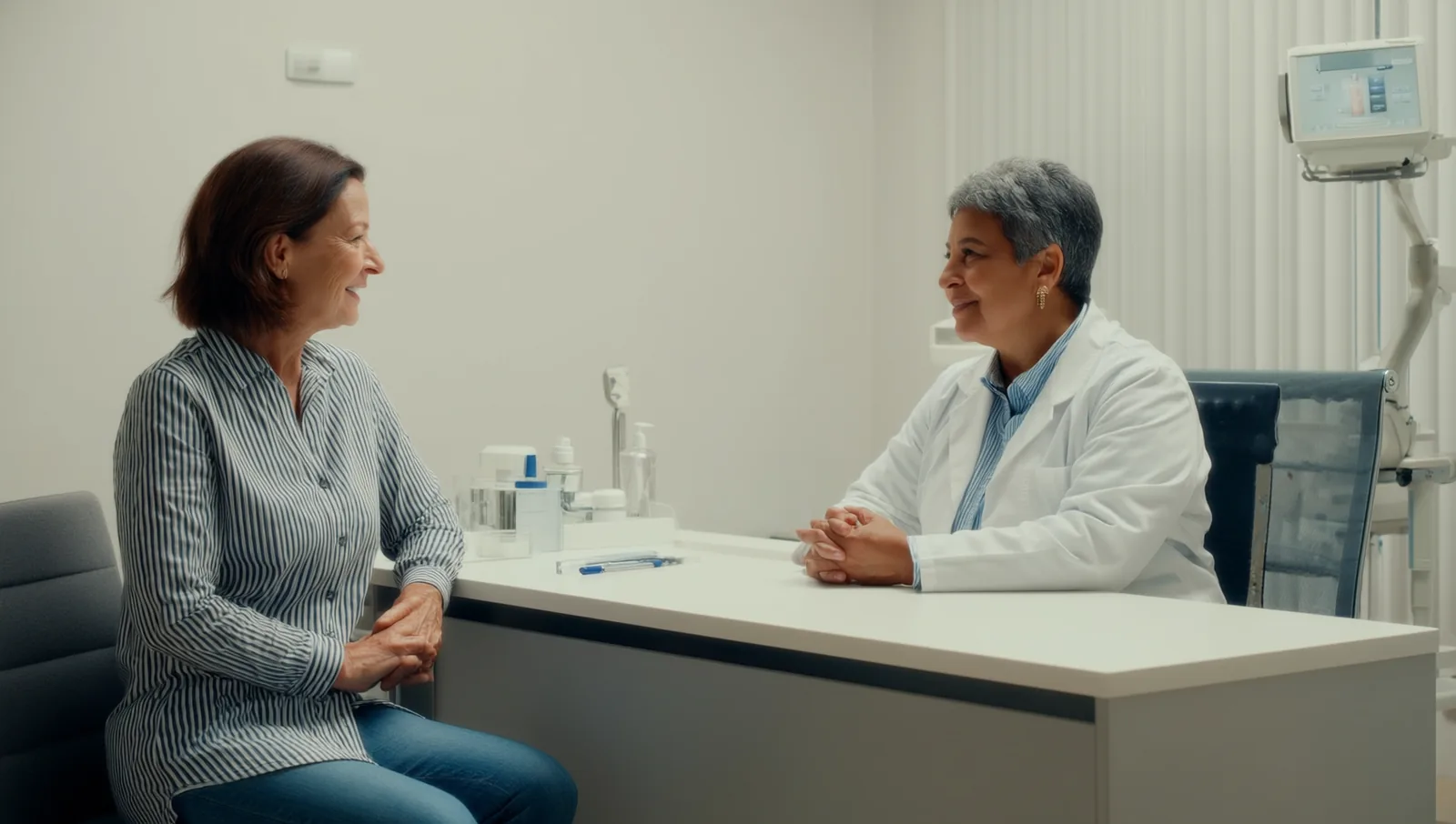
When to See a Doctor, and Which One
The trap with late reactions is that they look like ordinary skin problems. A family doctor who is not told about the microblading might reasonably treat a cluster of brow papules as acne, a cyst, or a common rash, and move on. The single most useful thing you can do is lead with the history. Mention that you had microblading, however long ago, because that one detail reframes the whole picture.
A dermatologist is the right specialist for anything that lingers, and it is worth pushing for a referral if a bump persists beyond a few weeks, keeps growing, becomes painful, or arrives with eye redness or vision changes. Our microblading FAQ answers more of the everyday questions, but a raised, persistent lump in healed brows is a question for a clinic, not a forum.
Lowering Your Risk Before You Book
You cannot eliminate the chance of a pigment reaction, but you can shrink it. A patch test before any pigment touches your brows is the baseline, and it stays non-negotiable even though it is imperfect, since some reactions surface long after a clean patch test. Choose a licensed artist who uses quality, well-documented pigments, because color formulations vary widely and cheaper inks are more likely to carry the metal salts and additives that drive reactions. Disclose your medical history honestly, especially any autoimmune condition, sarcoidosis, or a previous reaction to a tattoo, and see a dermatologist first if you have eczema, rosacea, or otherwise sensitive skin. Our skin type pairing guide covers who is a poor candidate and why.
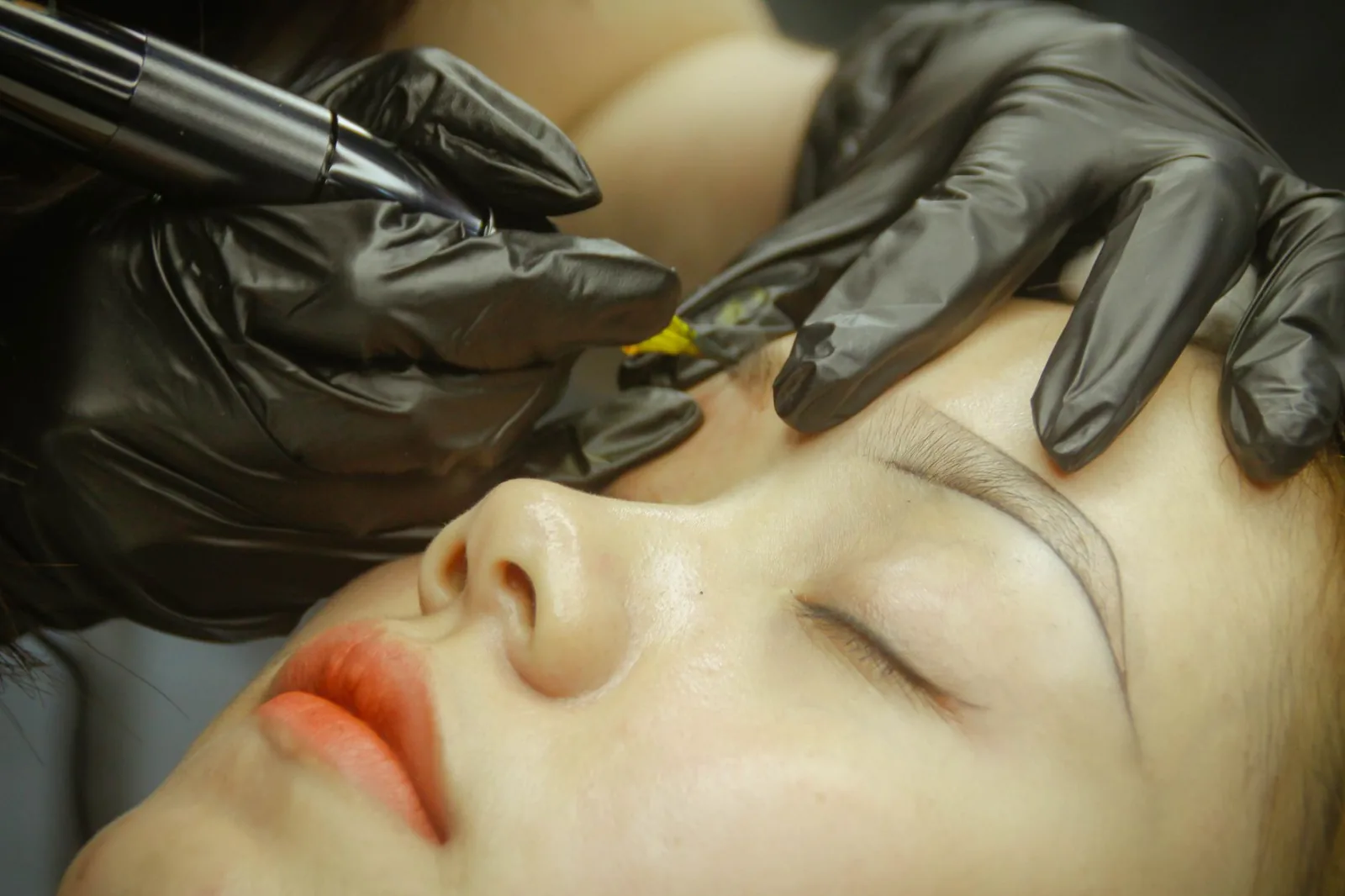
It is also worth remembering that any technique that implants pigment carries this risk, not microblading alone. The same caution applies to powder brows and the newer machine methods covered in our hairstroke brows guide. The pigment, not the tool, is what the body reacts to.
The reassuring bottom line is that the vast majority of microbladed brows heal cleanly and stay that way. Delayed bumps, lumps, and granulomas are the uncommon exception, not the rule. But because they arrive late and masquerade as everyday skin complaints, they catch people off guard. Recognize the difference between a healing scab and a reaction that breaks the timeline, keep your procedure history handy, and bring anything firm and persistent to a dermatologist rather than waiting it out alone.
Sources
- Journal of Cosmetic Dermatology on an analysis of 308 tattoo and permanent makeup complications
- Dermatologic Surgery for delayed granulomatous reactions traced to eyebrow microblading
- Nederlands Tijdschrift voor Geneeskunde with a case of sarcoid granulomas three months after microblading
- Journal of Clinical Medicine documenting the full spectrum of skin reactions to permanent makeup pigment
- Journal of Clinical Medicine covering an allergic flare set off while removing eyebrow pigment
- American Family Physician on why a lump in an old tattoo can surface years later
Further reading
- Whiteheads, milia, and pimples during microblading healing
- Microblading with an autoimmune condition
- Microblading aftercare tips for healthy healing
- Microblading by skin type: the complete pairing guide
- Hairstroke brows: the 2026 guide to microblading’s successor
- Frequently asked questions about microblading