Can You Get an MRI With Microblading? What the Pigment-in-Your-Skin Research Actually Says
Published on July 4, 2026
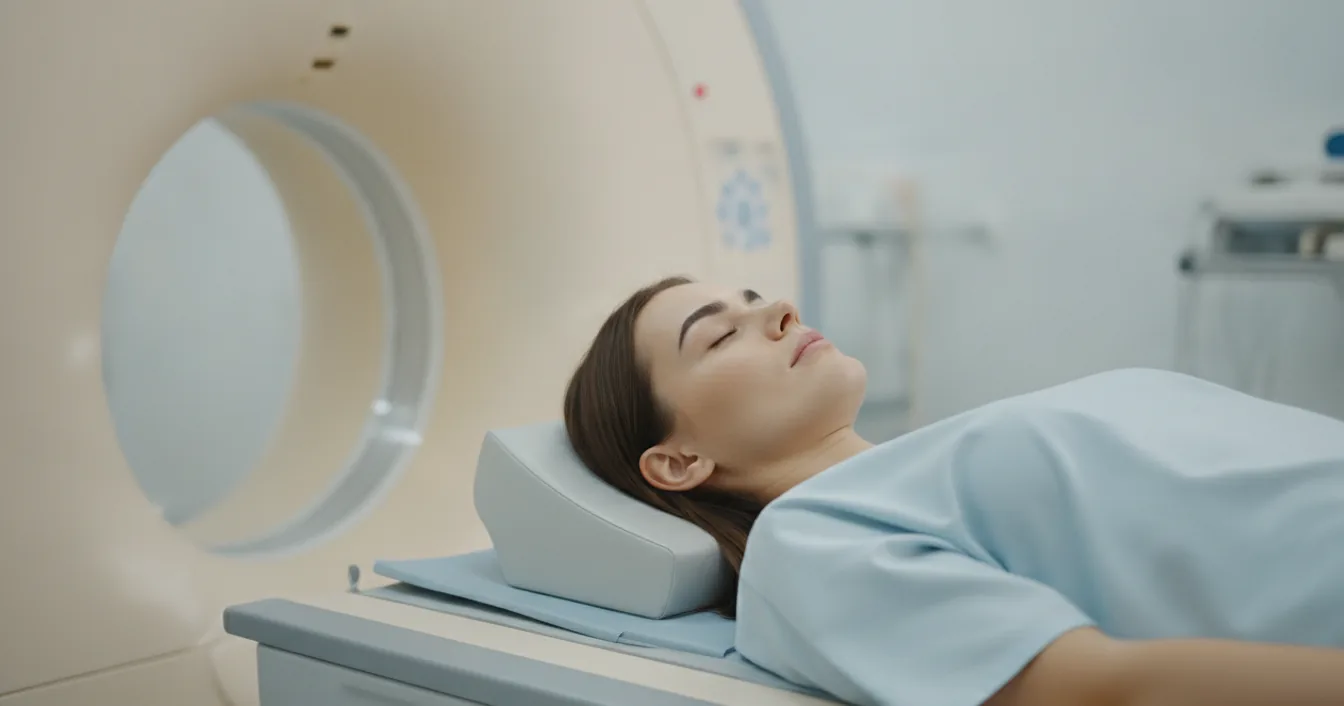
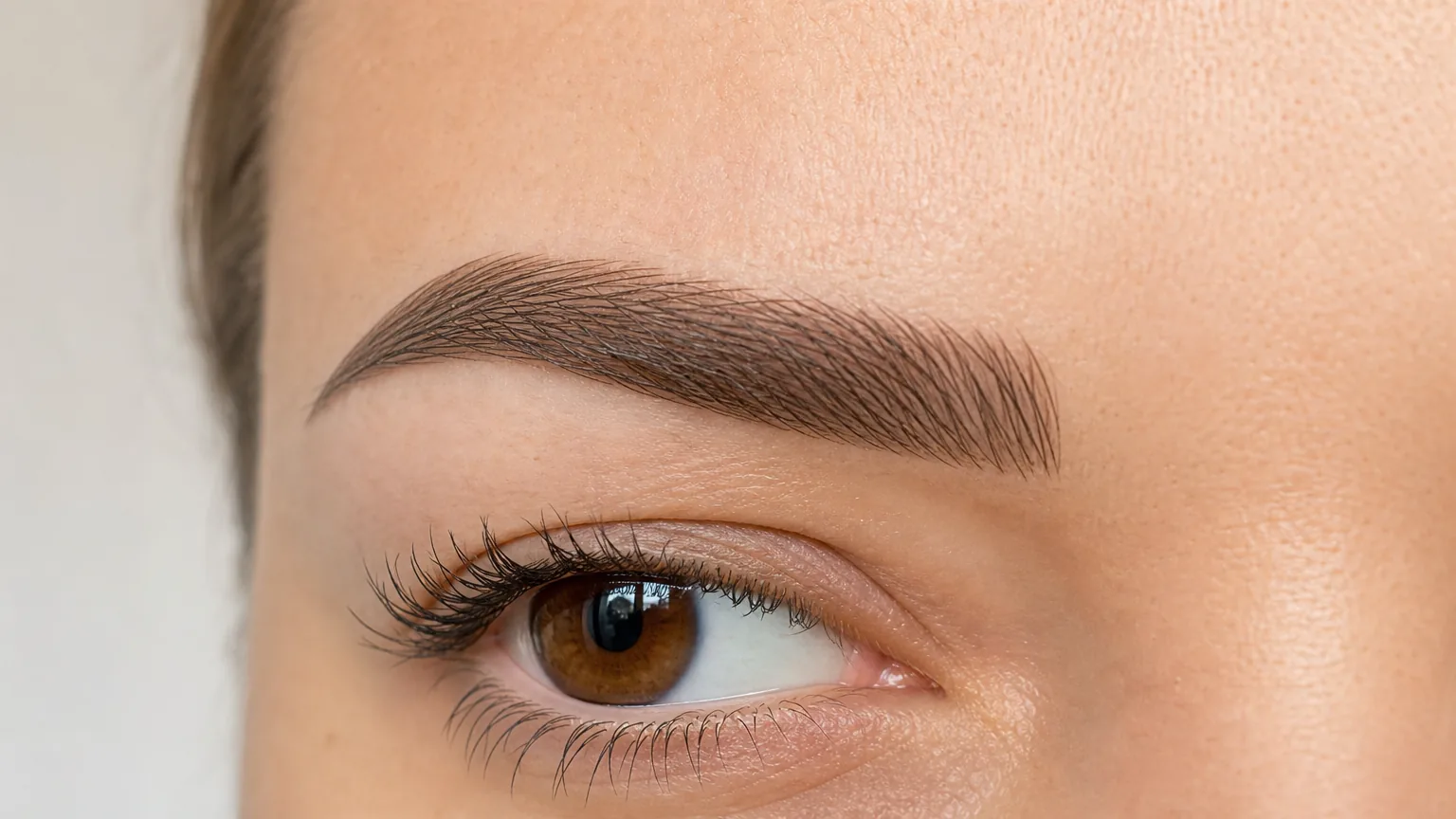
You are already a little nervous about the MRI. Then, somewhere between filling out the safety questionnaire and lying down on the table, a new worry surfaces: what about my eyebrows? If you have had microblading, the question is fair, and it comes up far more often than most technicians realize. The short answer is reassuring, but it comes with a few details worth understanding before your scan.
The Short Answer
Yes, you can almost always have an MRI with microbladed brows, and the large majority of people feel nothing at all. A small minority notice a brief warmth, tingling, or faint stinging at the brow while the scanner is running. When it happens it is usually mild, it passes on its own, and genuine injury is rare. The one thing you should never do is quietly skip a scan your doctor has ordered because you are anxious about your brows. The information an MRI gives your medical team almost always outweighs the small chance of a passing sensation.
Why Microbladed Brows Can React at All
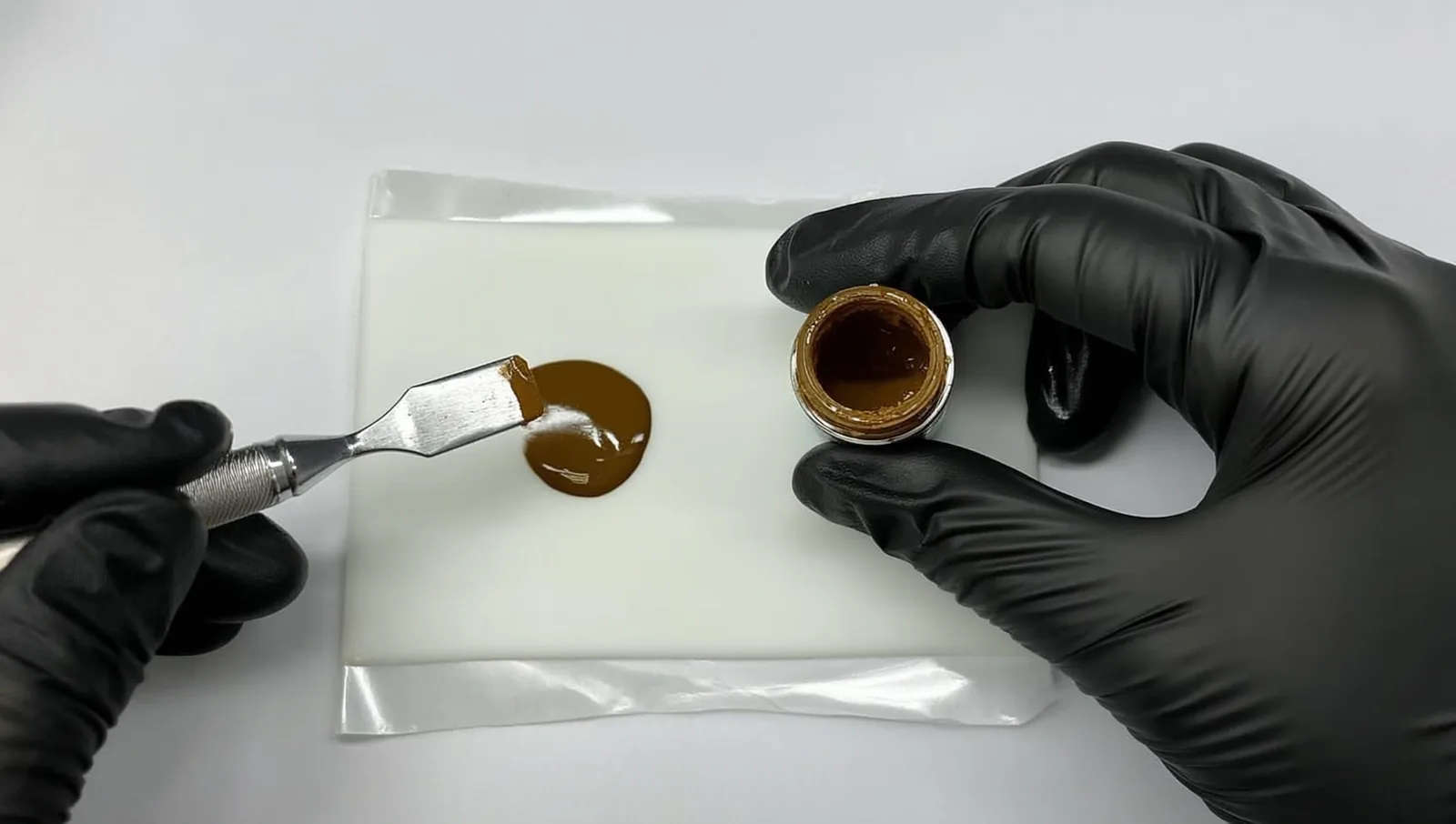
Microblading deposits pigment into the upper layer of the skin, and most brow pigments are built on a base of iron oxides, the same mineral family that colors clay and rust. Iron oxides are stable and well tolerated, which is exactly why they have anchored cosmetic tattooing for decades. The catch is right there in the name: they are iron based, and an MRI generates a very strong magnetic field.
For a long time the occasional burning reports were a mystery. Then a 2023 study in the journal Skin Research and Technology went looking for the culprit. Researchers tested twenty permanent makeup inks with a magnet, isolated the magnetic fraction of the ones that responded, and identified the specific compounds inside: magnetite, goethite, and hematite, three magnetic iron minerals that turn up as impurities in iron oxide pigment. Magnetite was named the lead suspect. The proposed mechanism is that the scanner’s magnetic force acts on these tiny magnetic particles sitting near nerve endings in the skin, nudging them just enough to trigger a small electrical stimulus that your brain reads as heat or tingling. In plain terms, the ink is not catching fire. It is a physical tug on magnetic dust inside the pigment. Our guide to microblading pigment chemistry covers how those iron oxide pigments behave in the skin over the longer term.
What a Reaction Actually Feels Like
People who do react tend to describe a localized warmth or a faint prickling right at the brow, sometimes a brief sting, usually in the first moments inside the machine or during particular imaging sequences. It stays confined to the pigmented area, it does not spread, and it typically fades within minutes. Mild swelling at the brow has been reported but is uncommon. True burns are very rare and, when they occur at all, tend to involve large, ink-dense body tattoos rather than the small amount of pigment in a set of brows.
How Common Is It, Really?
Rare, by every measure available. The FDA’s own guidance notes that swelling or burning in tattooed or permanent makeup areas during MRI happens “only rarely and apparently without lasting effects.” Larger imaging research backs that up. A population-based brain imaging project that deliberately enrolled participants with tattoos and permanent makeup recorded no pigment-related adverse events during high-field 3 Tesla scanning, and other MRI studies of tattooed patients put the odds of any reaction well under one percent. A minor tingle is more likely than a real burn, and a real burn is the exception rather than the rule.
The Other Issue Nobody Mentions: Image Distortion
Heat is not the only way pigment can interact with an MRI. Iron oxide can also create a small artifact, a smudge or void, in the image right around the pigmented area. For microbladed brows this rarely matters, because the brows sit well away from most of what a scan is trying to see. It becomes relevant mainly with permanent eyeliner during an MRI of the eye or the orbit, where the pigment sits close enough to blur the picture. If your scan is focused on the eyes or the front of the brain and you have permanent eyeliner in addition to brows, that is worth flagging so the radiologist can account for it.
What to Tell Your Radiologist and Technician
This is the part that actually protects you, and it takes about ten seconds. When you fill out the MRI safety questionnaire, declare your microblading the same way you would declare a tattoo, because that is exactly what it is: cosmetic tattooing. Tell the technician where the pigment is (brows, plus eyeliner or lip liner if you have those too) and roughly how old the work is. Newer work matters slightly more, because freshly tattooed skin is still healing.
With that information the team can take simple precautions. They can lay a cool, damp cloth over the brows, ask you to report any warmth the moment you feel it, and make sure the call button or squeeze bulb is in your hand so you can pause the scan if something feels off. A reaction that does begin almost always stops as soon as you speak up. None of this is a reason to cancel. It is a reason to mention it, which is precisely what the FDA advises: do not avoid the MRI, inform the staff so they can take appropriate precautions.

Does Your Pigment Choice Change the Risk?
To a degree, yes, though it is not something you can fully control after the fact. The magnetic behavior in that 2023 study came down to iron content and magnetic impurities, and both vary from one ink to the next. Pigments heavy in iron oxide, along with older or lower-quality inks more likely to carry magnetite and other impurities, are the ones most associated with reactions. This is one more reason the pigment line your artist uses is worth asking about before you book, a theme that runs through our complete safety guide to microblading risks and contraindications. If you are years past an older set of brows done with unknown, iron-heavy pigment, you are not in danger, but you are the person most likely to feel a tingle, and the most useful thing you can do is simply tell the technician.
If your brows are already discolored or you have been weighing removal for other reasons, it is worth knowing that lightening or removing old pigment also reduces the iron sitting in your skin. Our guide on how to remove bad microblading walks through the laser and saline options and what each one involves.
The Bottom Line
Microblading is not a barrier to an MRI. The reaction people quietly worry about is real, and thanks to recent research we can now trace it to magnetic iron minerals in the pigment, but it is uncommon, usually limited to a brief warmth or tingle, and manageable the instant you flag it. Declare your brows like the cosmetic tattoo they are, tell the technician where the pigment sits, and let the team do their job. If you have a reactive skin condition, a history of pigment reactions, or lingering questions about your specific ink, raise them with your artist or a dermatologist ahead of time, and always with your doctor when a scan is on the table. For the questions clients ask most before and after the needle, our microblading FAQ is a good next stop.
Sources
- Skin Research and Technology for the study identifying magnetite, goethite, and hematite in permanent makeup inks
- U.S. Food and Drug Administration on tattoos, permanent makeup, and the precautions to take before an MRI
- Frontiers in Neurology with the Rhineland Study on the MRI safety of tattoos and permanent make-up
- New England Journal of Medicine covering the safety of tattoos in persons undergoing MRI
- Smithsonian Magazine on why some tattoo inks can heat up inside an MRI