Microblading by Skin Type: The Complete Pairing Guide for Oily, Dry, Mature, and Sensitive Skin
Published on May 25, 2026
Why Skin Type Decides the Outcome
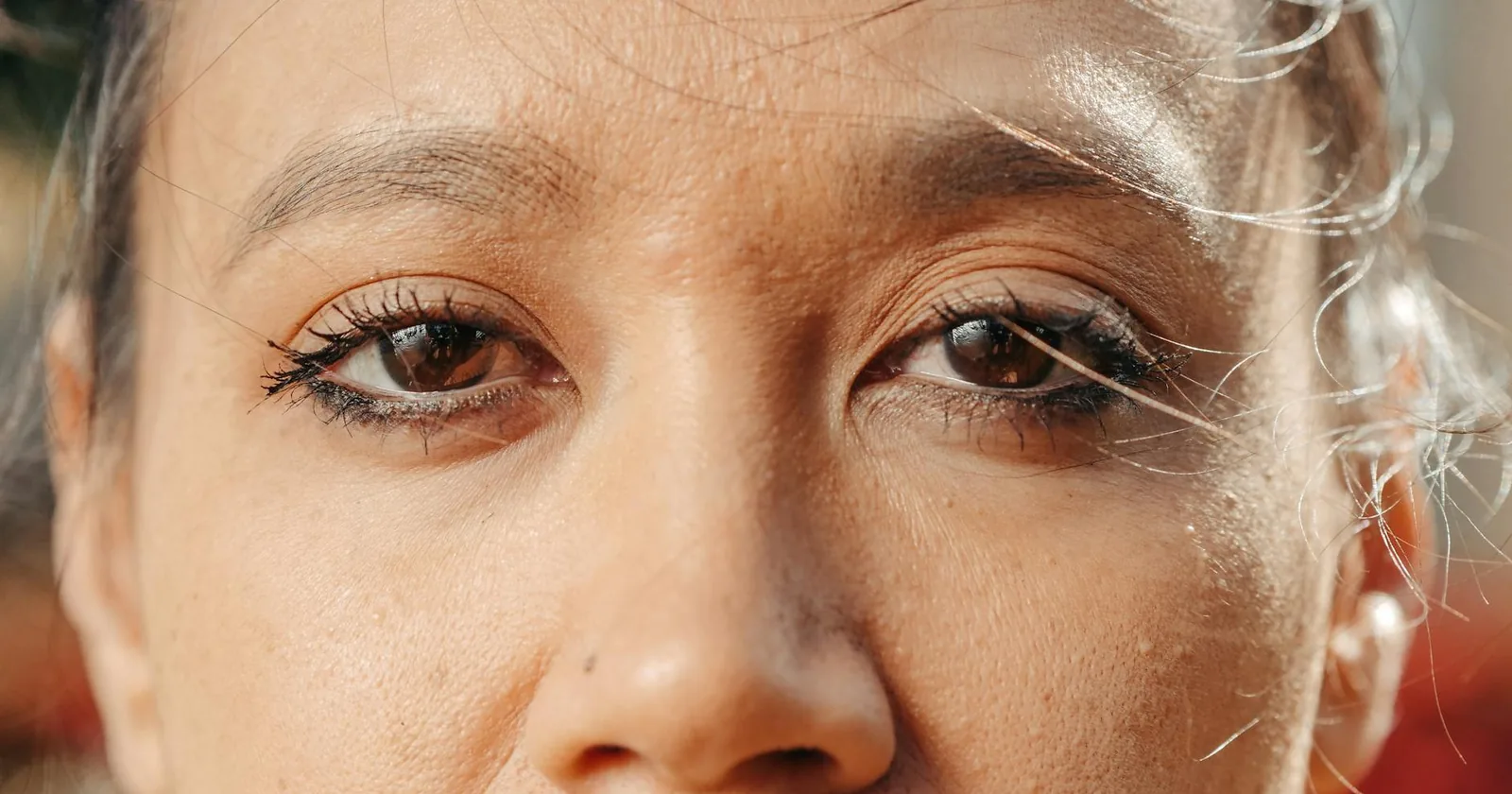
Most disappointing microblading stories trace back to a single missed step at the consultation: nobody asked hard questions about the client’s skin. The blade itself is identical from chair to chair, but the canvas is not. Sebum production, collagen density, surface texture, and underlying conditions like rosacea all change how pigment behaves once it is implanted in the epidermis. A technique that produces crisp, hair-like strokes on one face can blur into a soft wash of color on another within twelve months. This guide pairs each common skin type with the brow technique most likely to hold, and flags the conditions where microblading is simply the wrong tool. For the broader technique-versus-technique comparison, see our breakdown of microblading and traditional eyebrow methods.
Oily Skin: The Hardest Case for Classic Microblading
Of all skin types, oily skin is the one most artists will gently steer away from microblading. The reason is mechanical. Sebum continually pushes from below toward the surface of the skin, and the same fluid motion that gives oily skin its glow also lifts and disperses freshly implanted pigment. Strokes that began as fine, crisp lines tend to swell, soften, and merge into a blockier wash of color, often within the first twelve to eighteen months. Color drift is also more pronounced on oily skin; the dark brown that was placed on day one can settle toward a grey or blue tone faster than it would on drier skin.
For oily clients who still want a semi-permanent brow, microshading (powder brows) and nano brows are usually the better pairings. Powder brows deposit pigment as tiny pixelated dots that read as soft, makeup-like shading rather than individual hairs, so when the edges naturally diffuse over time the effect remains intentional rather than blurry. Nano brows use a single ultra-fine needle on a rotary machine; because each dot of pigment is smaller and placed with less skin trauma, even oily skin types can see acceptable retention. The trade-off is realism: nothing else mimics individual hairs quite like a well-executed microblade stroke.
Dry and Normal Skin: The Ideal Canvas
Dry to normal skin types are the easiest match for traditional microblading. With less sebum to interfere with healing, the implanted pigment stays where the artist placed it, and the fine strokes retain their crisp definition for the full one-to-three-year span the technique is known for. Healed color is more predictable too, because the slower epidermal turnover gives the pigment time to settle without being lifted out as the skin sheds.
There is one caveat worth naming. Very dry skin can flake aggressively during the first ten days of healing, and if the client picks at scabs or applies heavy ointment to manage tightness, pigment loss in those spots is the usual result. A light, fragrance-free balm applied sparingly is enough; the full aftercare protocol is covered in our guide to keeping microbladed brows beautiful during healing.
Combination Skin: Plan for the Oily Zone
Combination skin (dry on the cheeks and outer face, oilier through the T-zone) is the most common skin type in the chair, and the brow area sits squarely in the oilier band. Many combination clients see good retention along the brow head, where the skin behaves more like dry skin, and noticeably faster fading through the arch and tail, where sebum production is higher. The result can look uneven by the eighteen-month mark, with one section of the brow still reading as crisp strokes while another section has softened into shading.
Two strategies work well here. Some artists place fewer, more widely-spaced strokes through the arch to give the pigment room to diffuse without merging. Others build a combo brow, layering microblade strokes through the brow head where retention is best and shifting to soft powder shading through the arch and tail. Both approaches accept the underlying biology rather than fighting it.
Mature Skin: Predictability Drops, Color Strategy Changes
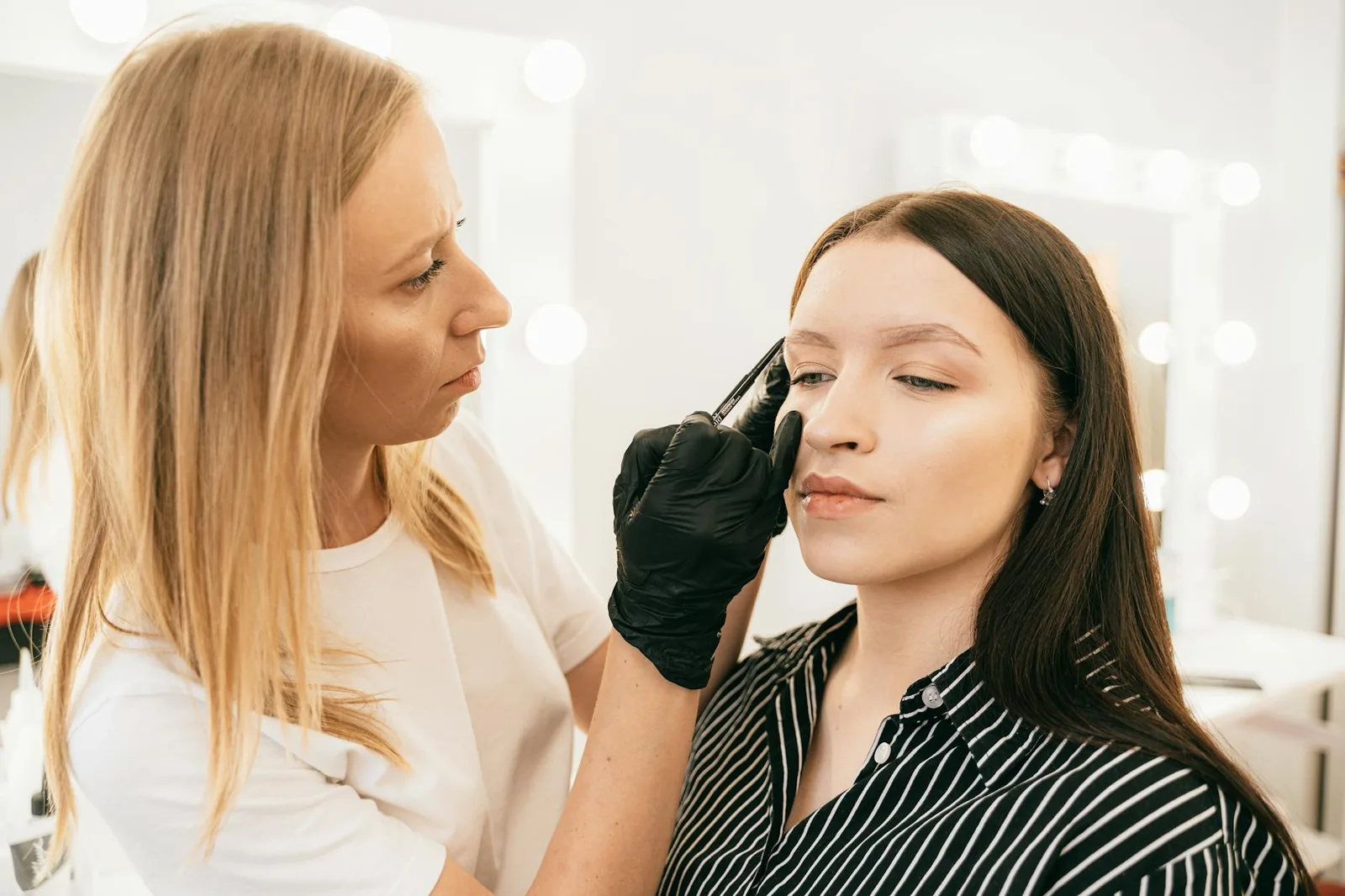
Once skin loses collagen and elastin density, microblading behavior shifts in two ways. First, the pigment is less predictable. Softer skin holds the blade differently, and the same pressure that would produce a clean stroke on tighter skin can deposit pigment unevenly, leaving small gaps that need correction at the touch-up. Second, the color choice changes dramatically. Brow specialists working with mature clients increasingly select pigment based on the skin’s natural undertone rather than on the client’s current hair color, and that is especially true when the client has gone grey or silver. A pigment matched to silver hair tends to read as cool and ashy on the skin, flattening the face. A soft taupe or ash-brown chosen to harmonize with the skin’s undertone gives the lift without the heaviness.
Mature skin is not automatically a poor candidate; many artists report excellent results on healthy skin in the fifties, sixties, and beyond. What changes is the conversation. Realistic expectations, a willingness to commit to a touch-up at the six-week mark, and a pigment shade chosen for the face rather than the hair are the three factors that separate a flattering mature-skin result from a disappointing one.
Sensitive and Rosacea-Prone Skin: Tread Carefully
Sensitive skin types, including those with active rosacea, eczema in the brow area, or any history of keloid scarring, deserve special caution. The blade trauma involved in classic microblading can trigger excess bleeding, prolonged redness, and unpredictable healing. Rosacea-prone skin in particular tends to flush during the procedure, which can dilute pigment placement in real time. Where retinoids, exfoliating acids, or active flares are present, most reputable artists will postpone the appointment entirely.
When microblading is contraindicated, gentler tattooing techniques are often safer. Nano brows are the most common recommendation because the single fine needle causes less surface trauma than the multi-needle blade. A consultation with a dermatologist before booking any pigment procedure is the right step for anyone with an inflammatory skin condition.
Darker Skin Tones: Pigment Chemistry Matters
Skin tone interacts with pigment chemistry in ways that are sometimes overlooked. On lighter complexions, the contrast between the brown or taupe pigment and the surrounding skin gives microblade strokes high visibility, and the strokes read as intentional from across the room. On medium and deeper skin tones, the same pigment must be selected with the undertone in mind to avoid healing too cool or too warm against the surrounding melanin. Some artists specializing in darker skin tones prefer warmer base pigments and avoid blacks and cool browns, which can shift toward grey or blue as they oxidize.
The procedure itself carries one additional consideration for deeper skin tones: any trauma to the skin barrier can trigger post-inflammatory hyperpigmentation in clients prone to it. A patch test placed somewhere discreet, usually behind the ear or along the hairline, gives both client and artist a preview of how the skin will react to both the trauma and the specific pigment chosen.
Lifestyle Factors That Override Skin Type
Skin type is the foundation, but a few lifestyle factors can sabotage even an ideal match. Daily retinoid use accelerates skin turnover and will fade microbladed pigment noticeably faster than expected. Routine exfoliating acids (glycolic, salicylic, lactic) do the same. Heavy sun exposure without daily SPF50 over the brow area is the single biggest fading accelerant, and chlorinated pools or saunas in the first weeks after the procedure can wash pigment out before it has fully set. Many of these questions come up at the consultation; the most common ones are covered in our microblading frequently asked questions.
Matching the Technique to the Client
The honest summary is that microblading is not a universal procedure. It is the right choice for dry to normal skin, fine to medium hair, and a client willing to maintain it with sun protection and touch-ups. For oily skin, sensitive skin, rosacea, or any condition that compromises the skin barrier, microshading, nano brows, or simply skipping pigment work in favor of daily makeup are honest alternatives. A skilled artist will tell you when your skin is fighting the technique; a great consultation includes the word “no” when no is the right answer.
Sources
- Women’s Health on how microblading and microshading compare across skin types
- Women’s Health for nano brows and their compatibility with oily and sensitive skin
- Cosmopolitan with a six-year look at pigment fade, color drift, and oily-skin behavior
- Good Housekeeping on mature-skin pigment choices and matching shade to skin tone, not hair
- HELLO! Magazine for a micropigmentation expert’s view on technique selection
- Get the Gloss with a midlife client’s account of semi-permanent brows
Further reading
- Microblading vs. traditional eyebrow techniques
- Microblading aftercare tips for healthy healing
- Frequently asked questions about microblading
- Wedding eyebrow timeline: when to microblade before your big day
Feature photo by Kindel Media on Pexels.