Microblading Years Later: A Realistic Look at What Brows Do at 3, 5, and 7 Years Out
Published on July 15, 2026
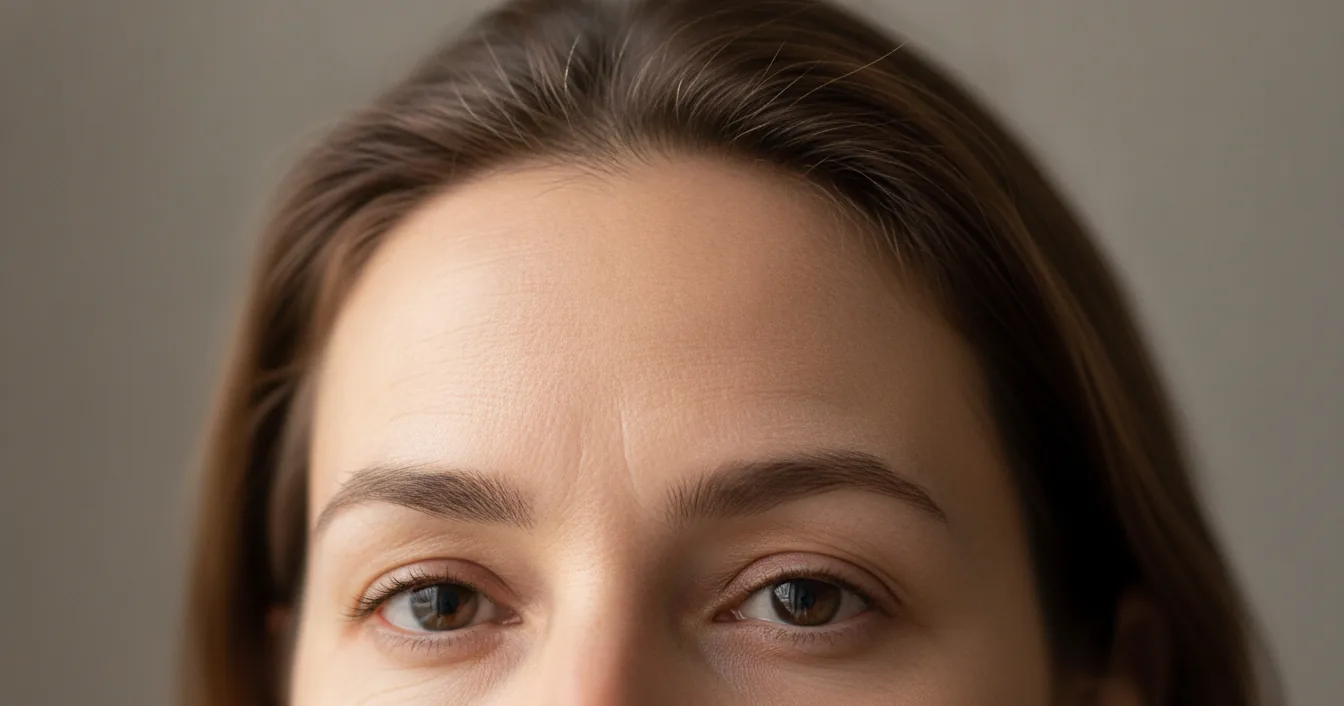
The before-and-after photos that sold microblading to a generation were all taken at the same moment: two weeks after the touch-up, when the strokes are crisp, the color is rich, and the shape is exactly what the client asked for. Almost nobody photographs the brow at year five. That gap, between the healed result and the years that follow, is where most of the surprise lives, and lately the surprise has been loud. A wave of coverage has followed people undoing the brows they got in 2018, with the New York Post reporting that once-trendy work is turning odd colors and becoming “set in stone.” Refinery29 asked, plainly, whether everyone now hates the brows they microbladed that year.
So here is the honest long view: what microbladed brows actually do at three, five, and seven years out, and the real decisions waiting for you at the far end.
Years One to Three: The Uneven Fade
Microblading is sold as lasting one to three years, and for the first stretch it mostly behaves. Skin sheds continuously, your immune system slowly carries off pigment particles, and the fine crisp hairstrokes soften and lighten. What the brochures skip is that the fade is almost never even. Pigment holds longest where the skin is dry and undisturbed, and it vanishes first where you cleanse, rub, and sweat, so by the second or third year a set of once-uniform strokes can look patchy, some hairs still sharp while others have gone. This is normal, not a failure, but it is why brows start looking a little off long before anyone books a removal. Oily skin runs this clock fastest, drier skin holds pigment longer, and that single variable explains why two clients treated the same day can be in very different places by year three.
Years Three to Five: When the Color Turns
This is the part clients least expect. Brown brow pigment is a blend, and its components do not break down at the same speed. As the warmer browns and blacks fade first, a cooler or redder base is left exposed, which is why aged microblading so reliably drifts off-color. Cosmopolitan built an entire first-person piece around a single line: “the pigment faded to a grey-ish blue,” six years on. Other brows go the opposite direction, settling into pink, orange, or a rusty red. The chemistry behind each path (iron oxide oxidation, carbon-heavy pigments healing cool, ultraviolet light shifting the tone) is worth understanding if you want to predict your own, and we walk through it in our pigment chemistry guide. Sun exposure accelerates all of it, so the person who never wore SPF drifts faster and further than the one who did.
Blurring: From Crisp Hairs to Soft Shadow
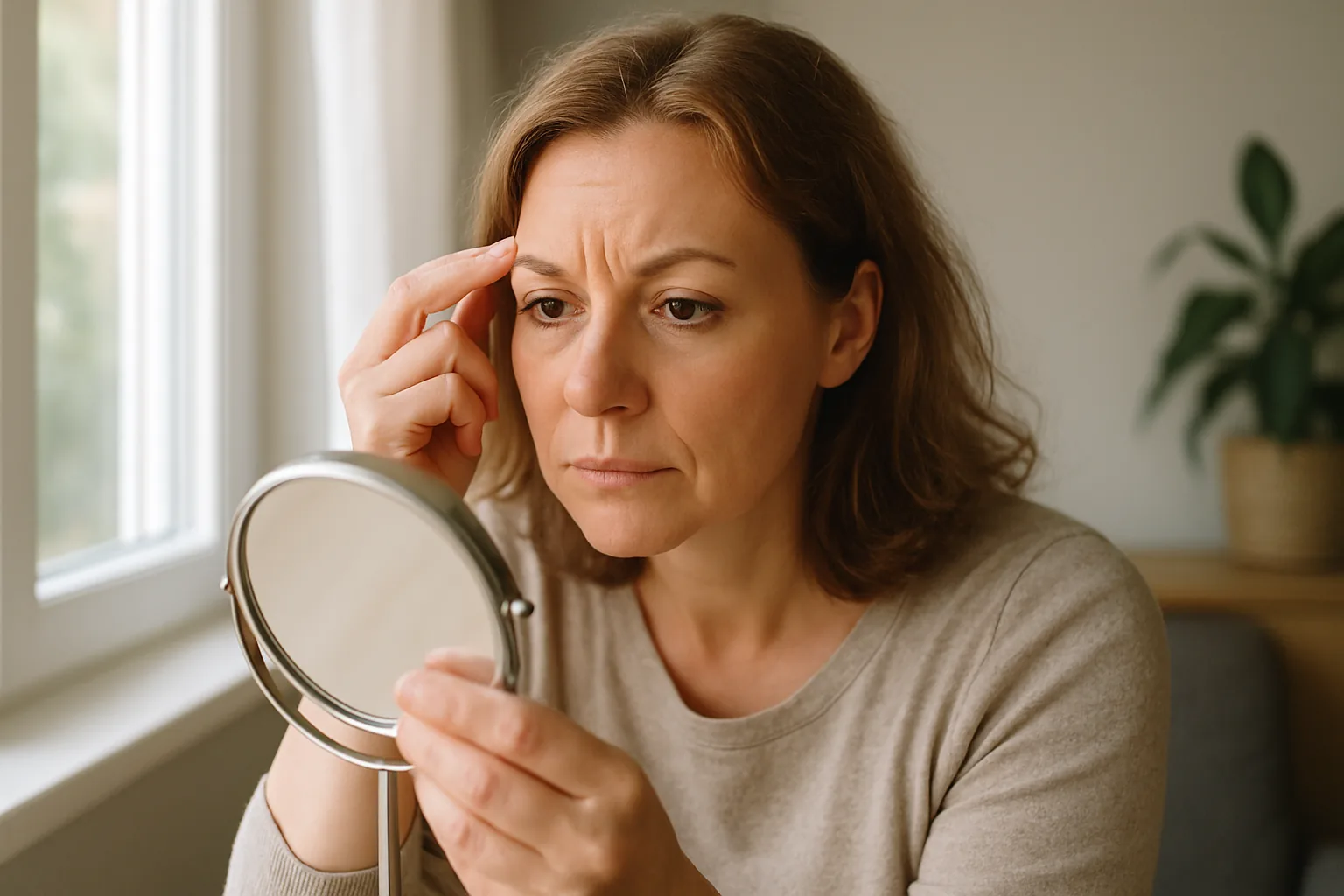
Fresh microblading reads as individual hairs because the blade lays pigment in fine, separate lines. Over years, two things smudge those lines together. Pigment placed a little too deep can spread within the skin, a slow “blowout” that widens each stroke, and as the surrounding strokes fade unevenly, the eye stops reading distinct hairs and starts reading a diffuse patch. By years five to seven, a great deal of microblading no longer looks like hairstrokes at all. It looks like a soft powder fill, or a faint bruise-toned shadow sitting where the definition used to be. A heavier hand at the original appointment blurs sooner. This slow loss of crispness is one reason the field has largely moved toward gentler machine methods, which we cover in our guide to hairstroke brows.
The Canvas Changes Too
A brow is tattooed onto skin at one age, then worn on that skin while the skin itself keeps changing. Skin thins and loses firmness over time, the brow bone and the tissue around it shift, and the whole brow can settle lower or read at a slightly different angle than the day it was drawn. A shape mapped to a face at forty does not always flatter the same face at forty-seven. Mature skin also grips pigment differently, and the interplay of thinning skin, changing texture, and older work is a subject of its own, covered in microblading after 50. None of this is unique to microblading, since any tattoo ages with its skin, but brows sit on the most expressive, most sun-exposed part of the face, so the drift shows more than it would on a shoulder.
”Set in Stone”: Why the Pigment Never Fully Leaves
Here is the line that belonged in every consent form: semi-permanent is not the same as temporary. The “semi” describes how the look softens and changes, not a promise that the pigment reliably disappears. In many people a faint shadow or a patch of discolored residue lingers for years, sometimes for good. Allure published an essay whose entire premise was the reverse of the promised fade: the writer’s microblading simply would not go away. That residue is real pigment still sitting in the skin, the same iron oxide that, as it happens, is behind the question of whether you can have an MRI with microblading. The practical takeaway is to plan as though the pigment might outlast your taste for it, because for a meaningful share of people it does. The New York Post’s “set in stone” is less hyperbole than it is the half of “semi-permanent” that never made it into the marketing.
Your Real Options at Year Five
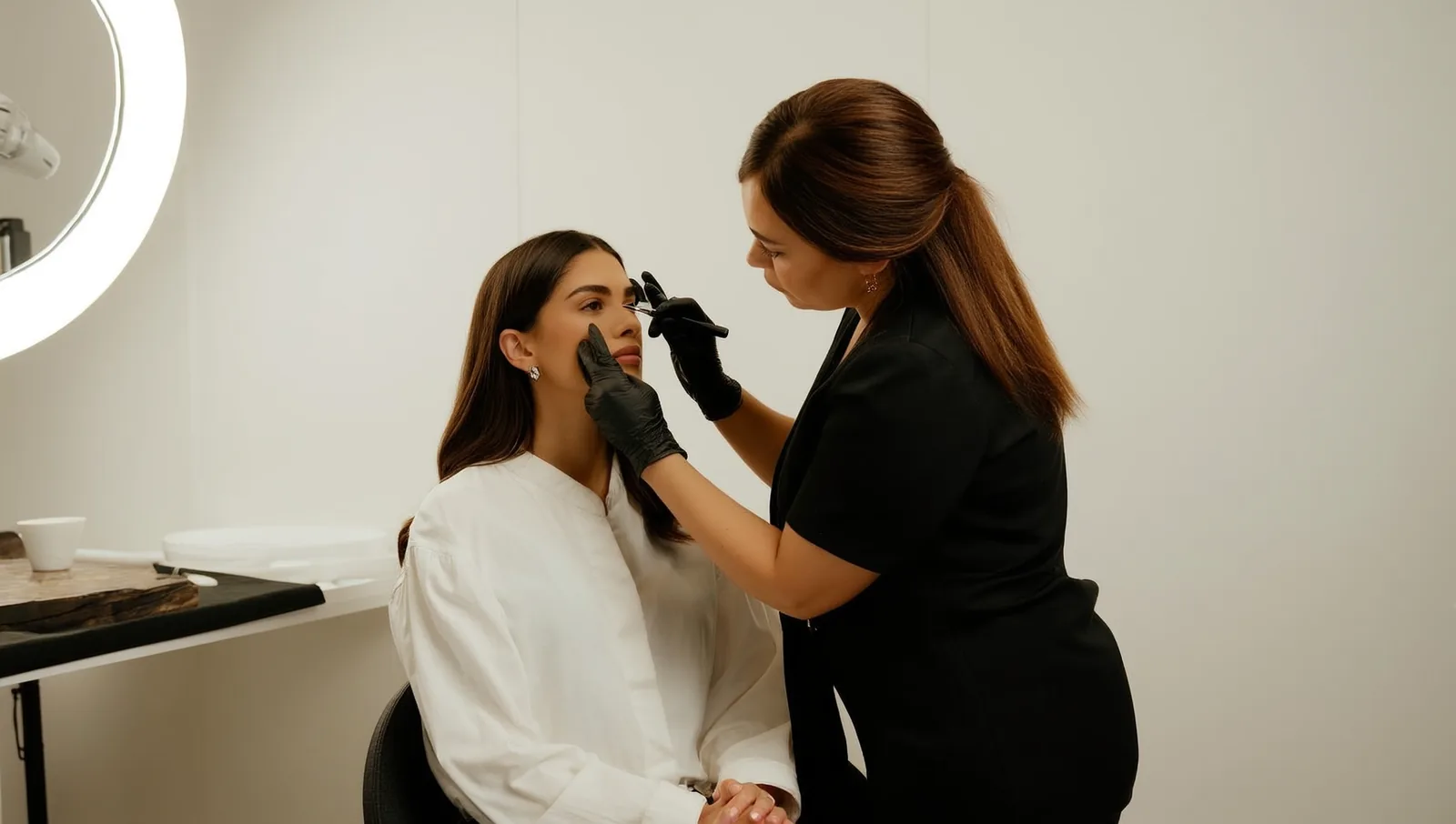
Somewhere around the five-year mark, most people who had microblading face a choice. There are really only five moves, and picking the right one starts with naming what actually bothers you.
- Boost. If the shape still flatters and the color has stayed true, a maintenance session re-saturates the faded strokes. It is the cheapest, easiest path, but it is not automatic. Layering fresh pigment over an aged, drifted base can over-darken or deepen an existing color cast, so a careful artist reads the old work first. Any new pigment still calls for a fresh patch test, even if the appointment years ago went fine, because sensitivities can develop over time.
- Refresh with a newer technique. If the base has faded light and you want an update rather than a repeat, many artists will lay a soft powder or a modern machine hairstroke over the old work, for a result that tends to age more gracefully than the original blade.
- Color correct. If the shape works but the tone has gone blue, grey, or red, a corrective artist can neutralize it with a complementary pigment instead of removing anything.
- Remove. If the shape, placement, or density is the real problem, or the base is too dark and blurred to build on, no touch-up will fix it. Laser or saline lightening is the honest answer, and both correction and removal are covered in how to remove bad microblading.
- Do nothing. A genuinely valid choice. Plenty of people let the work keep fading, move to a brow serum, tint, or lamination, and never pick up a tattoo needle again.
It Is Not All Regret
The removal headlines are loud, but they are not the whole story, partly because a brow that ages quietly for a decade does not make for a dramatic article. Woman & Home called microblading one of the best “tweakments” its writer had tried, and Good Housekeeping ran a piece on how well it can work with silver hair, using Helen Mirren as the example. The brows that age this well tend to share a few things: a conservative shape and color chosen at the start (thinner and softer ages better than bold and dark), quality pigment, a genuinely skilled and licensed artist, steady sun protection, and realistic maintenance.
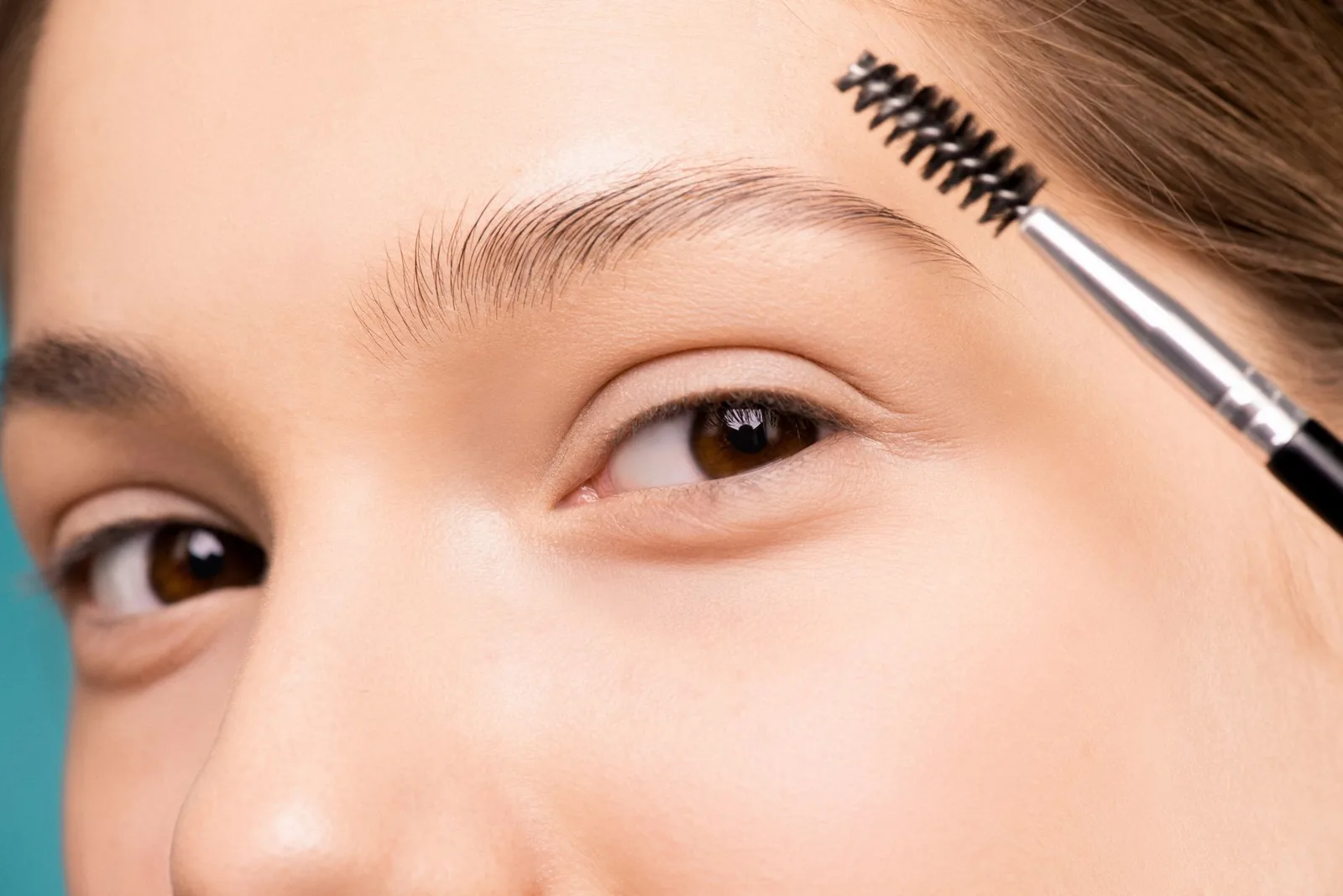
Results always vary with the artist’s skill and your skin type, which is exactly why two people can leave the same studio and stand in very different places seven years later. Microblading is a regulated cosmetic tattoo, so an unlicensed discount artist is a false economy you may still be wearing in the next decade. If you have eczema, rosacea, or any history of reacting to pigment, see a dermatologist before any new work, boosts and corrections included. Go in expecting a semi-permanent commitment that can leave a permanent trace, choose accordingly, and the years out are far more likely to resemble a Helen Mirren brow than a removal chair.
Sources
- New York Post on why once-trendy microbladed brows are turning colors and going “set in stone”
- Cosmopolitan for four things one writer wished she had known about microblading, six years on
- Refinery29 with the reckoning over the brows everyone microbladed in 2018
- Allure asking what happens when microblading refuses to fade
- Good Housekeeping showing how microblading can work with silver hair, Helen Mirren style
- Woman & Home covering a long-term microblading review that landed on the positive side