The True 2-Year Cost of Microblading: Sessions, Touch-Ups, and Hidden Extras
Published on July 19, 2026

The number on the price list is not the number you will spend. Microblading is quoted like a haircut, one figure for one appointment, but it behaves like a subscription. There is the initial session, a mandatory perfecting visit weeks later, a color boost every year or so after that, and a handful of small charges that nobody mentions until you are at the front desk. Clients who budget only for the first appointment are the ones who end up with half-faded brows they cannot afford to finish.
This is the honest two-year arithmetic. Prices vary enormously by region and by artist, so treat every figure here as a realistic range rather than a quote, and expect a major metro to sit at the top of each band.
What the Quoted Price Actually Buys
In most of the United States, a first microblading appointment runs roughly $400 to $800. Glamour puts the broader market at $500 to well over $1,000, and the tiering inside a single studio explains why the range is so wide. At one New York salon, the same procedure costs $550 with a brow specialist, $850 with a senior specialist, and $1,200 with the master therapist. You are paying for the hand, not the pigment. In the UK the equivalent spread is about £350 to £1,000 depending on area and practitioner.
That fee should cover the consultation, brow mapping, topical numbing, the session itself, and an aftercare kit. What it covers beyond that is the single biggest variable in your total, so ask one specific question before you book: is the perfecting session included in this price? The answer moves your two-year total by hundreds of dollars.
The Perfecting Session Is Not Optional
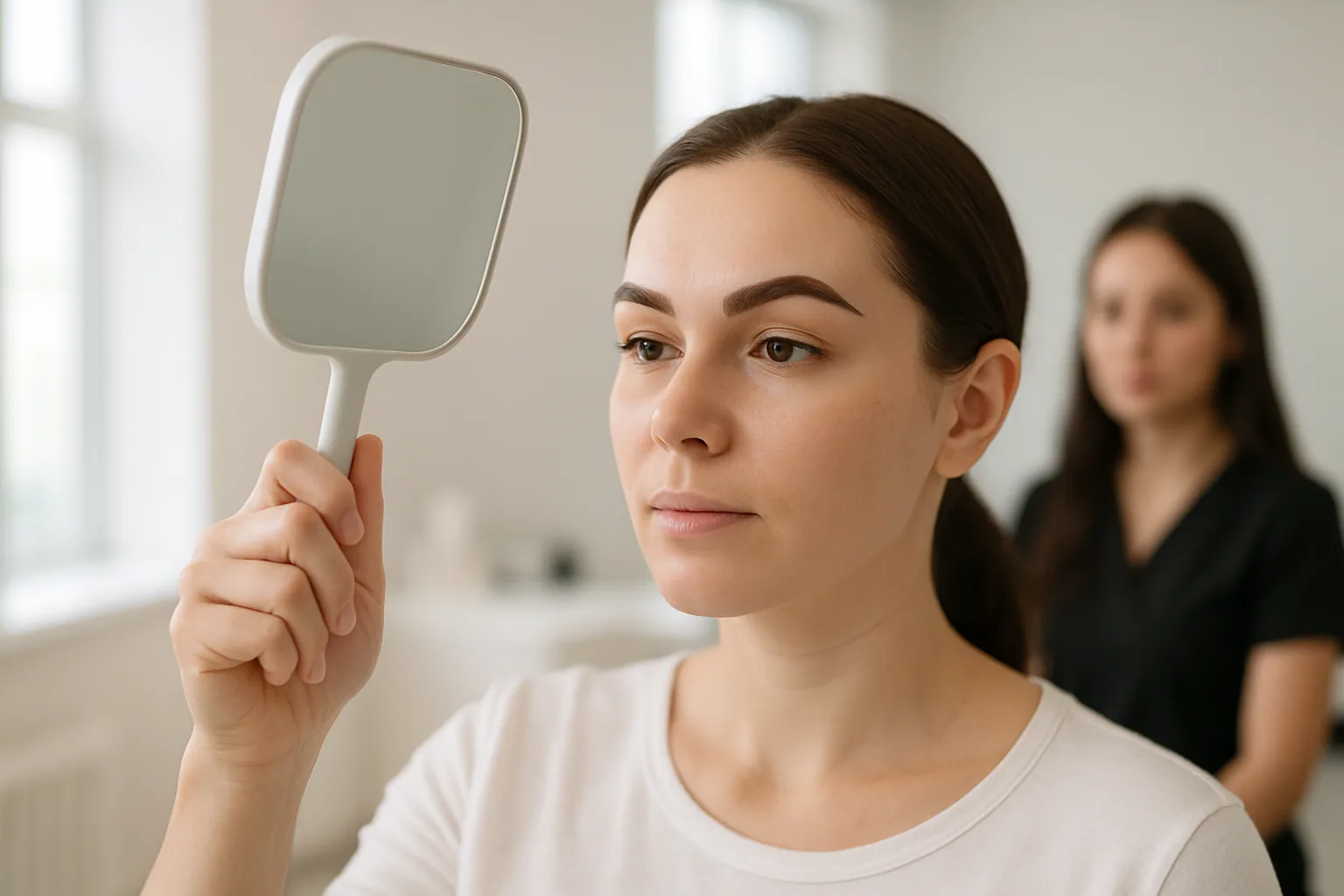
Six to eight weeks after the first appointment, you go back. Skin pushes out a percentage of the pigment as it heals, strokes drop out unevenly, and the artist fills the gaps and adjusts the color. This visit is part of the procedure, not an upsell. A microblading result is not finished until it happens.
Many studios bundle it into the initial fee. Others charge $100 to $250 for it. Both models are legitimate, but comparing a bundled quote against an unbundled one without noticing is how people talk themselves into the wrong artist on price alone.
The expensive mistake is missing the window. Studios price the perfecting session cheaply because it is quick work on fresh pigment. Let it slide past roughly six months and most will reclassify it as a full color boost at boost pricing, and some will charge close to a new session if the work has faded far enough that they are effectively starting over. If you are timing brows around an event, build both appointments into the schedule rather than hoping to squeeze the second one in later. Our wedding eyebrow timeline lays out how far ahead that planning needs to start.
Color Boosts: The Recurring Line Item
Once healed, microblading fades. A color boost, sometimes called a refresh, re-saturates the strokes before they disappear entirely, and it typically costs about half the original session, commonly $200 to $400.
How often you need one is the part nobody can quote you in advance, because it depends on your skin. Woman & Home’s beauty director was told to commit to a boost at least every 18 months to two years. Glamour’s reporting on oily skin is blunter: those clients may need maintenance roughly every six months, because oil steadily pushes pigment out. Sun exposure, exfoliating acids, and retinoids all accelerate the fade too.
This is why skin type is a budget question as much as an aesthetic one. An oily-skinned client can genuinely pay double what a dry-skinned client pays across the same two years for the same brows. Our skin type pairing guide covers which skin holds strokes well and when a different technique is the smarter buy.
The Extras Nobody Quotes You
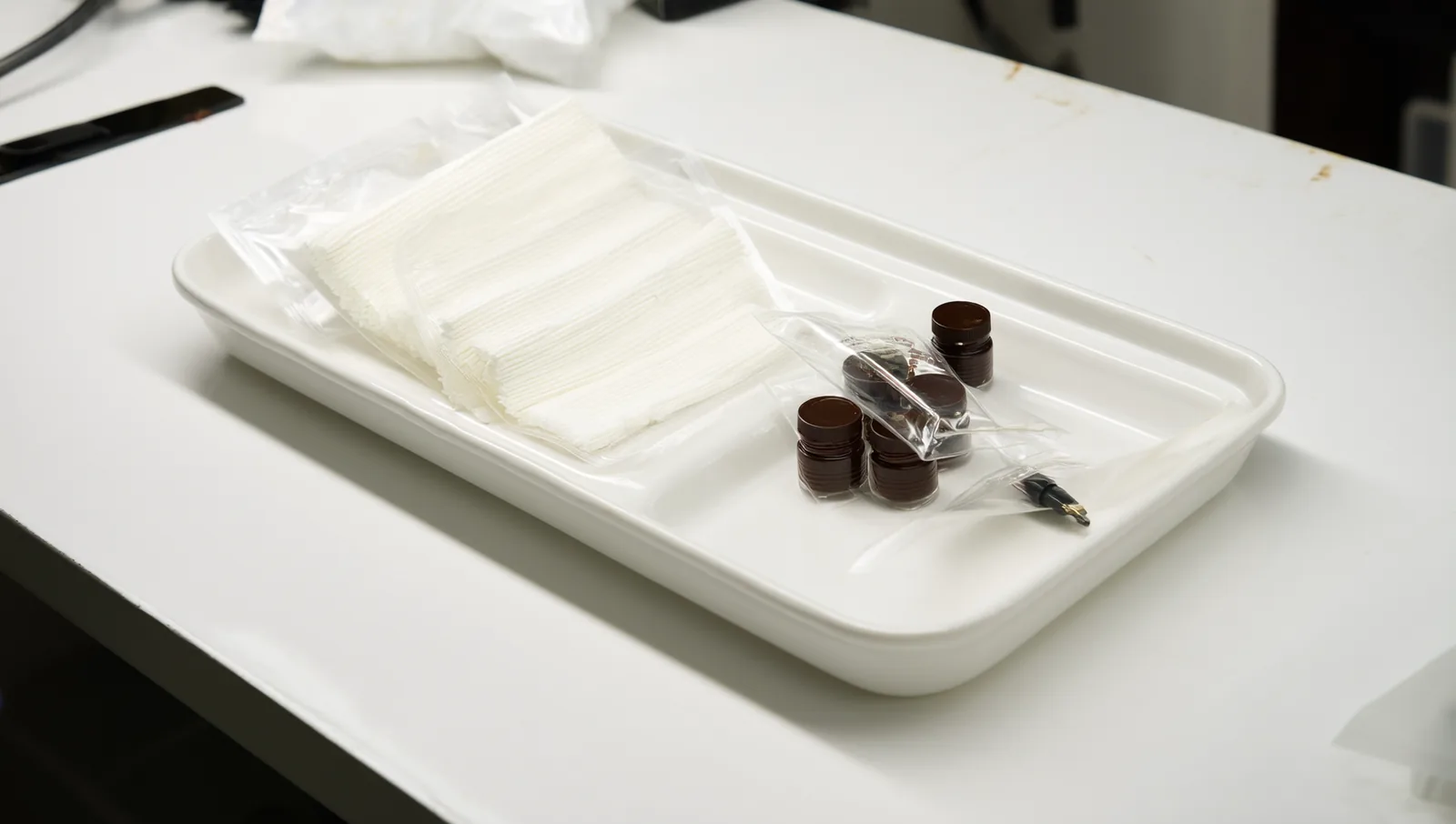
Individually small, collectively a few hundred dollars:
- Deposit. Usually $50 to $150 to hold the appointment, applied to your total but rarely refundable. Reschedule late and you forfeit it.
- Patch test. Often free, sometimes $25, occasionally requiring a separate trip. Get it regardless. A pigment allergy discovered on your face is a far more expensive problem than a test.
- Secondary numbing. The first application is normally included. Some studios bill $25 to $50 for the second round applied mid-session once the skin is open.
- Cancellation and no-show fees. Frequently 50% of the service.
- Aftercare products. A balm or barrier ointment, $15 to $30, if it is not in the kit.
- Travel. Genuinely worth counting if the artist whose healed work you trust is two hours away, since you are making at least two trips, probably three.
- Brow makeup you still buy. Microblading reduces daily brow routine, it does not always eliminate it, particularly through the shedding phase.
A Worked Two-Year Budget
Three realistic paths, from the first appointment through month 24.
Lean, dry or normal skin, bundled studio. Initial session at $450 with the perfecting visit included, one color boost at month 18 for $250, aftercare balm $20. Two-year total: about $720.
Typical, combination skin, mid-market studio. Initial session $600, perfecting session $150, deposit absorbed into the total, one boost at month 12 for $300, patch test and balm $45. Two-year total: about $1,095.
Metro premium, oily skin, senior artist. Initial session $1,000, perfecting session $200, boosts at months 10 and 20 at $450 each, extras and travel $150. Two-year total: about $2,250.
So the honest answer to “what does microblading cost” is somewhere between roughly $700 and $2,250 across two years, and where you land depends more on your skin and your artist’s tier than on any negotiating you do. Worth noting: that middle scenario is still cheaper over two years than keeping up brow lamination every six weeks, a comparison we run in full in brow lamination versus microblading.
The Cost You Hope Not to Pay
If you end up disliking the result, or the pigment ages into a color you did not sign up for, undoing it costs more than the original work. Laser sessions run about $150 to $400 each and saline lightening $100 to $250, and because both need multiple rounds spaced 8 to 12 weeks apart, a full removal commonly totals $600 to $2,000 and stretches over a year. Our guide to removing bad microblading walks through both routes.
Factor that into the decision the way you would any other tail risk. It is not likely, but it is the reason vetting an artist’s healed photographs matters more than saving $150 on the initial session.
Packages, Financing, and Pricing Red Flags
Package deals that bundle the initial session, the perfecting visit, and the first annual boost can be good value if the studio is one you would have chosen anyway. Buy the artist first, then the package. Payment plans through the studio or a third-party financing app are increasingly common, and they are reasonable for spreading a genuine cost, but interest on a cosmetic procedure is a real expense that belongs in your budget.
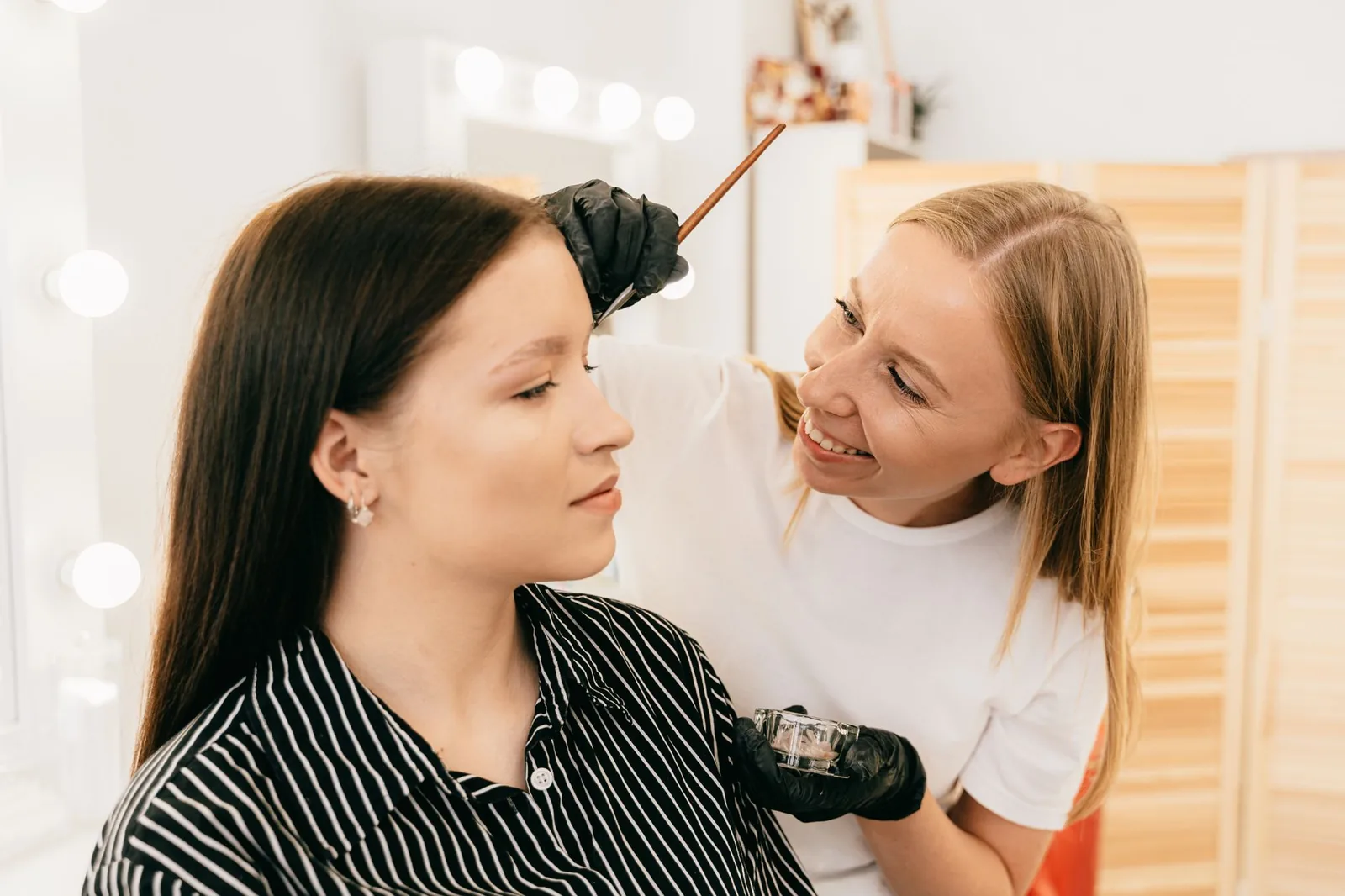
The clearest red flag is a price far below the local market. Glamour’s take is worth repeating: a significantly cheaper price usually tells you something about the treatment and care you will receive. Deep discounts often mean an artist still building a portfolio, cut-rate pigments, reused or non-sterile tooling, or no license at all. Microblading is a regulated procedure in most jurisdictions, requiring bloodborne pathogen certification, and an unlicensed practitioner is a hazard rather than a bargain. The same logic sinks the cheapest option of all, the mail-order kit, which we cover in at-home microblading kits and DIY brow pens.
Other signals worth pricing in: no consultation offered, no patch test, pressure to book same day, a portfolio showing only fresh work photographed minutes after the session rather than brows healed at six weeks and a year.
Budget for the Commitment, Not the Appointment
Permanent makeup practitioners describe their clients’ spending as an investment, and the framing is fair as long as you know what you are investing in. Microblading is semi-permanent. It fades on a schedule set by your skin, and keeping it looking deliberate means paying into it periodically for as long as you want it.
Decide up front whether you are comfortable with the two-year number rather than the first-appointment number. If the recurring boosts are what break the budget, that is genuinely useful to learn before the first blade touches your skin, not eighteen months in when the strokes have gone patchy and the refresh does not fit the month. Results vary substantially by artist skill and skin type, so book a consultation with a licensed artist, ask for the full schedule of fees in writing, and ask to see healed work at a year before you put down a deposit.
Sources
- Glamour on what a first-time client wishes she had known before microblading
- Woman & Home for a beauty editor’s account of semi-permanent brow cost and upkeep
- SaltWire with why permanent makeup artists treat the procedure as a client investment
- Brides covering how far ahead to schedule brow work before a big event
- Fortune Business Insights on the growth of the permanent makeup pigment market