Microblading on Dark and Deeper Skin Tones: Pigment, Undertones, and Avoiding Ashy or Hyperpigmented Brows
Published on June 24, 2026
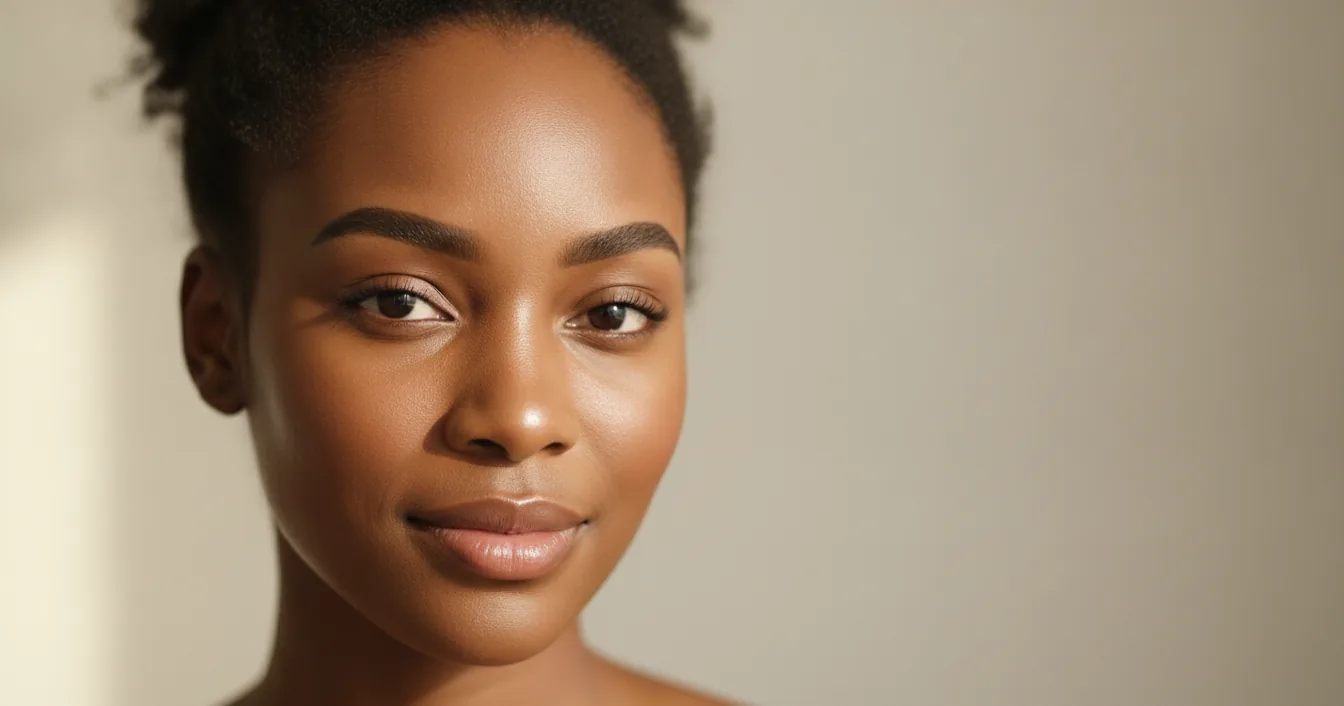
Almost every beauty trend gets the same first question from clients with richer skin: does it actually work on melanin-rich skin? With microblading the honest answer is yes, but with a caveat that rarely makes it into the glossy before-and-afters. The technique works beautifully on deep skin when the pigment is chosen for that skin, and it disappoints when an artist treats a brown or Black canvas the same way they would a fair one. The problem is almost never the blade. It is the color in the cap and the artist’s experience reading an undertone they do not see every day.
This guide is for clients with deeper complexions who are weighing the procedure and want to know how to brief an artist on color, what can go wrong, and how to tell a true specialist from someone who will hand you grey, ashy, or splotchy brows.
The Technique Is the Same. The Color Strategy Is Not.
The mechanics of microblading do not change with skin tone. The artist still maps the brow shape, opens fine channels in the upper dermis, and implants pigment stroke by stroke. What changes is everything that happens before the first stroke: shade selection, undertone correction, and depth control. On lighter skin a slightly-off brown reads as a slightly-off brown. On deeper skin the same misjudged pigment can heal grey, blue, or muddy, because it has to sit truthfully against far more surrounding melanin. For the wider picture of how oil, texture, and biology shape results, our microblading by skin type pairing guide is the companion pillar to this one. This article zooms in on the variable that guide only touches: skin color itself.
Why Deeper Skin Needs Warmer, Undertone-Corrected Pigment
The single most important rule for dark skin is the one beginners get backwards: never reach for black. It feels intuitive to match a deep complexion with the darkest ink available, but black pigment heals to a cool, dull grey, and implanted black almost always reads bluish over time. A skilled artist’s darkest option is a true ebony brown, not black, and the shade is matched to the natural color of your brow hair rather than to your skin.
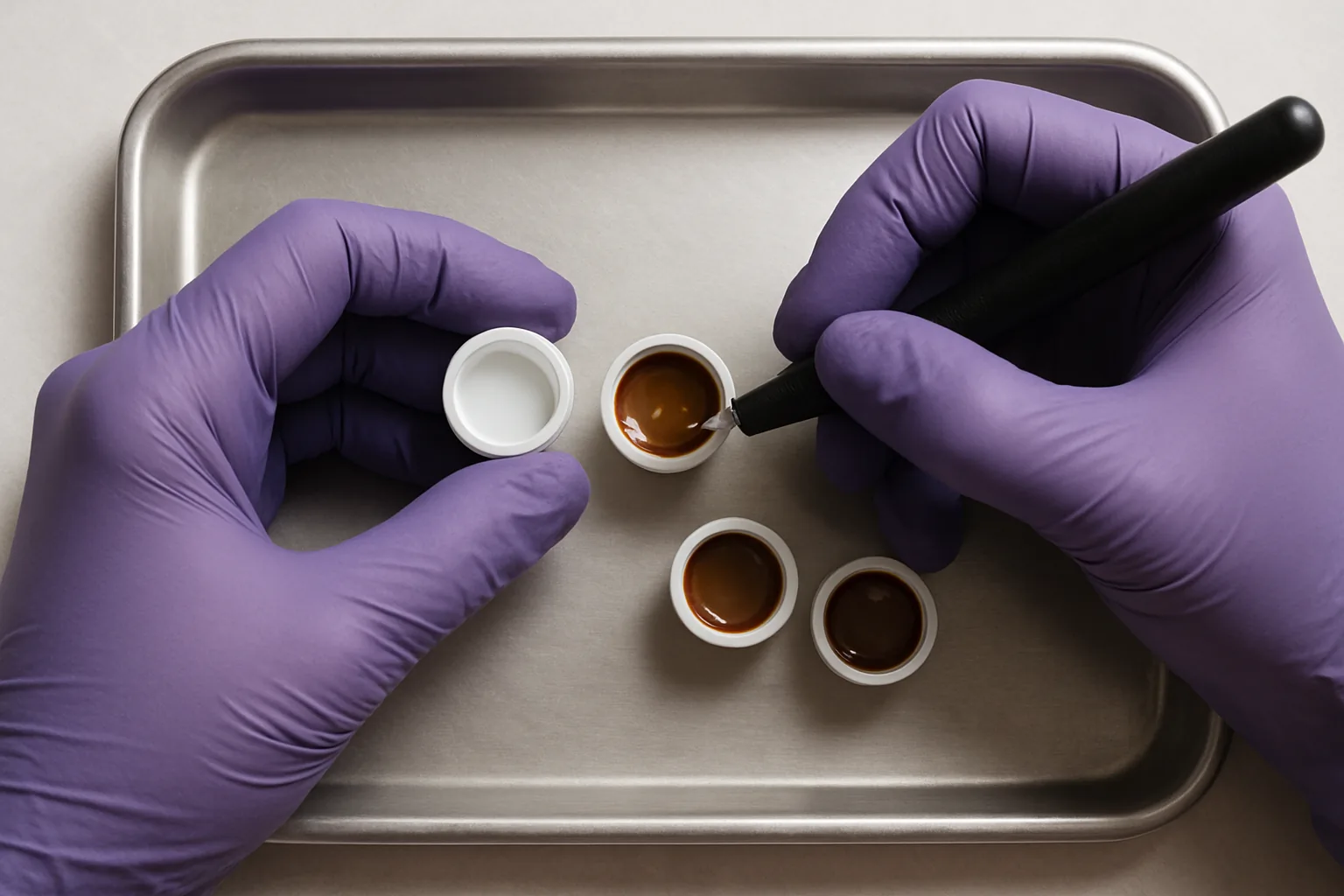
Undertone is the second lever. Skin reads as warm, cool, or neutral underneath its surface depth, and pigment has to be balanced against that. The working principle artists use is corrective: if the skin carries yellow or warm undertones, a slightly cooler pigment keeps the brow from going orange, and if the skin carries a lot of blue, warmth is added so the color does not heal cold and ashy. Because cool, ashy healing is the more common failure on melanin-rich skin, experienced specialists tend to build warmth into the blend deliberately to counteract what the skin will do. None of this is guesswork on an expert’s part, but it absolutely is guesswork on a generalist’s. If you want your brows noticeably lighter or darker than your natural hair, ask about bleaching or tinting the brow hairs before the appointment rather than forcing the change through pigment alone.
Why a cool drift happens at all comes down to chemistry. Brow browns are recipes, a dark base warmed with red, orange, and yellow, and the warm modifiers tend to fade first, leaving the cooler base exposed. Our deep dive on why brows turn blue, red, or grey explains the oxidation and the light-scattering Tyndall effect that make pigment placed too deep look ashy on any skin, an effect that is simply more visible against deeper tones.
Why the Color Can Heal Darker, Cooler, or Ashy Than You Expected
Healed color is not applied color. Every body metabolizes pigment differently, treating it as a foreign object it slowly tries to clear, so two clients given the identical shade can heal warmer or cooler than each other. Expect the brows to look ashy or patchy in the first weeks: after the scabs flake away, some spots hold color and others do not, and the overall tone can read cooler than the day it was placed. That is normal, not a botch.
Depth is the other culprit. When the blade travels too far below the surface, the pigment fans out and heals ashy, which is why a light, controlled hand matters even more on skin where ashiness shows. This is exactly what the touch-up is for. At the four-to-six-week visit, a good artist adds a few drops of warmth to neutralize any cool cast and fills the spots that did not take. On deeper skin, treating that second session as optional is how people end up with grey, uneven brows.
Two Risks That Deserve Extra Weight: Hyperpigmentation and Keloids
Beyond color, melanin-rich skin carries two procedure risks that deserve a frank conversation at the consultation.
The first is post-inflammatory hyperpigmentation (PIH), the dark mark skin of color tends to leave wherever it has been injured or inflamed. PIH occurs more frequently and more severely in deeper skin phototypes, and any procedure that breaks the skin barrier can set it off. On brows the discoloration often hides under the hair, which is why many artists do not lose sleep over it, but the risk is real and worth managing. The protective steps are simple: choose experienced hands, do not pick at scabs, and once healed, wear daily sunscreen over the brow area, the one measure dermatologists consistently find prevents PIH. The same sun protection keeps your pigment from fading prematurely, a point covered in our microblading aftercare guide. There is a flip side, too: pulling scabs off early can leave permanent light patches (hypopigmentation) in melanin-rich skin, so hands-off healing protects color in both directions.
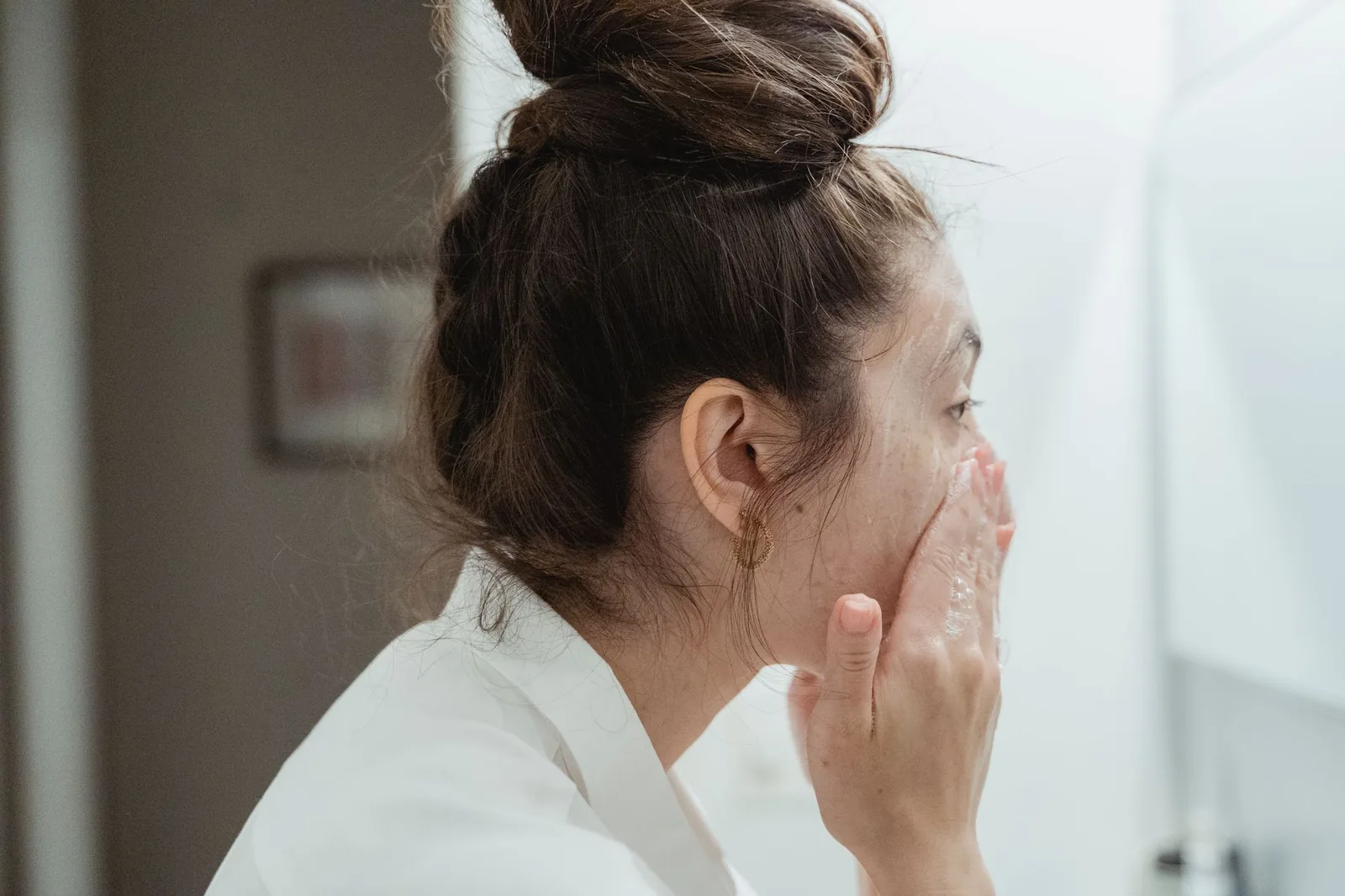
The second risk is keloid scarring. Deeper skin has a higher baseline tendency toward keloids, and microblading is, at heart, a series of small puncture wounds. If you have ever formed a raised, spreading scar from an ear piercing, a vaccination, or surgery, microblading may not be safe for you, and that history should be raised before booking. A patch test placed somewhere discreet, behind the ear or along the hairline, lets both you and the artist preview how your skin reacts to the trauma and the specific pigment, and is sensible for anyone prone to pigment or scarring reactions. These and the other medical cautions are laid out in our full guide to microblading risks, side effects, and contraindications; when keloids or active skin conditions are in play, a dermatologist should weigh in before any pigment goes in.
How to Vet an Artist for Skin Like Yours
Picking the right person matters more here than almost anywhere else in beauty. Start by ruling out body tattoo artists; PMU pigments are less concentrated and specially mixed for brows, and tattoo ink can turn strange colors on the face.
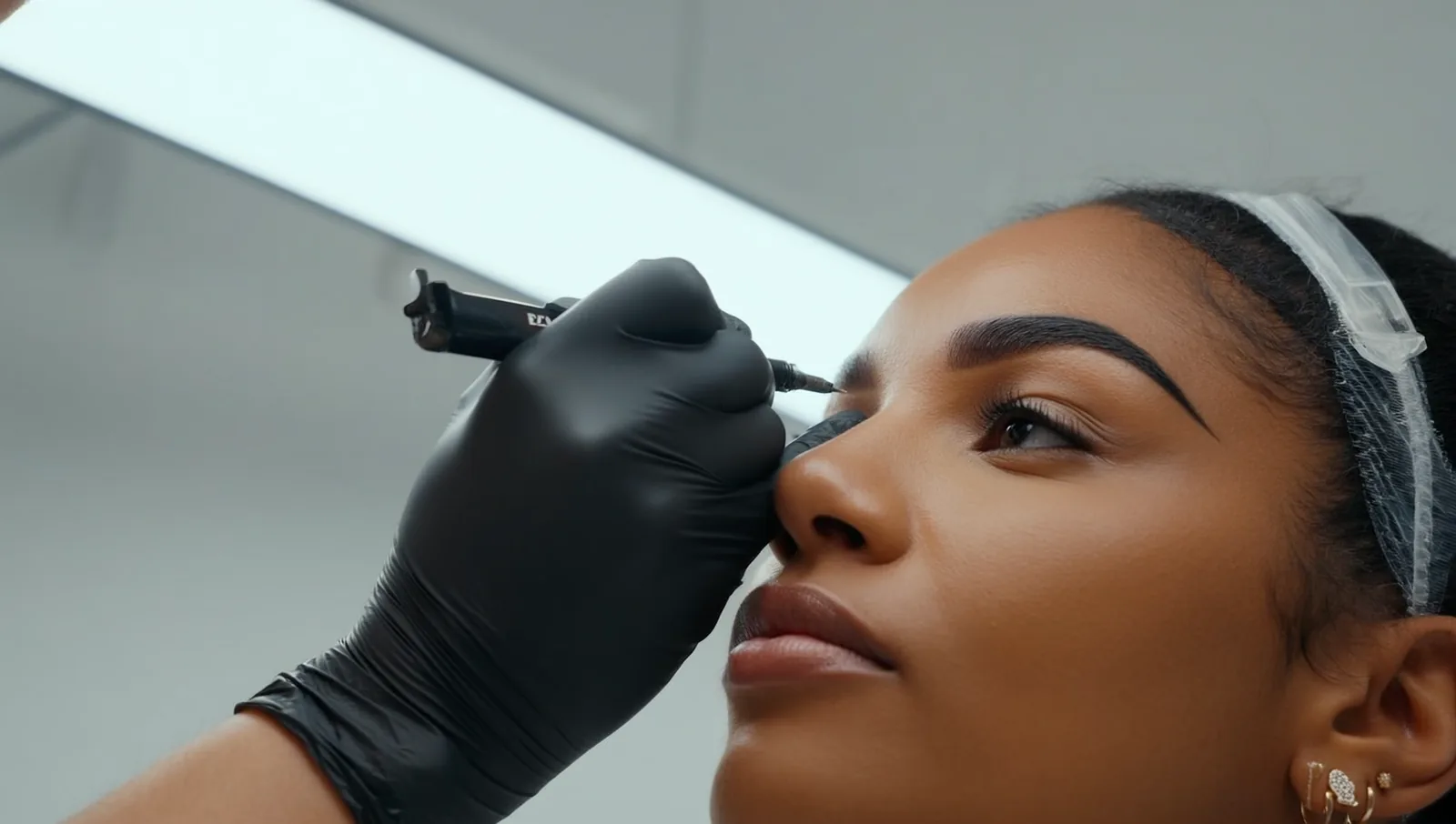
Then ask for proof on skin like yours. Request healed before-and-after photos, not the glossy shots taken minutes after the appointment, and specifically of clients with deep complexions. Fresh strokes always look crisp, sharp, and full; the healed result, after the strokes have settled and slightly expanded, is what you actually walk around with. If an artist’s portfolio is all fair skin or all day-of photos, keep looking. Watch for one more tell: strokes placed too close together expand into a solid block as they heal, especially on oily skin, so you want to see fine, well-spaced healed hairs in their work, not muddy blocks.
Setting Realistic Expectations
Microblading is semi-permanent, generally lasting one to three years before it needs a refresh, and results vary with the artist’s skill and your skin as much as with any technique choice. For deeper skin the non-negotiables are a warm-corrected, never-black pigment, a healed-portfolio specialist, a mandatory touch-up, and a patch test. If your skin is oily or you are keloid-prone, ask about powder or combo brows as gentler alternatives, and read through the common questions in our microblading FAQ before you commit. Done in the right hands, microblading suits melanin-rich skin wonderfully. Done in the wrong ones, deeper skin is precisely where the mistakes show most.
Sources
- Refinery29 on microblading dark skin, undertone-matched pigment, and why black ink heals grey
- PMU Hub for working on melanin-rich skin, warm correction, and ashy healing from depth
- StatPearls (NCBI) with how post-inflammatory hyperpigmentation runs more frequent and severe in darker phototypes
- Australasian Journal of Dermatology reporting a systematic review that finds sunscreen the consistent preventive for PIH in skin of color