Microblading Risks, Side Effects, and Contraindications: A Complete Safety Guide
Published on June 22, 2026
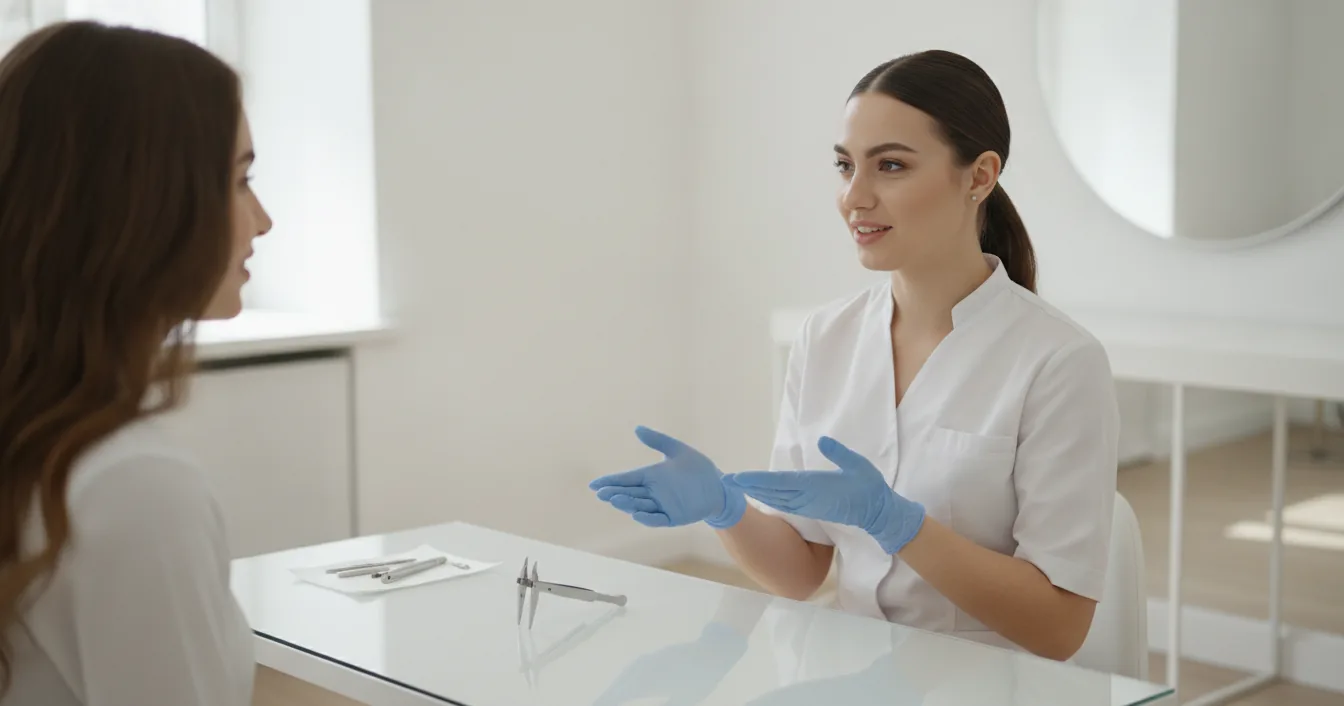
Microblading is a cosmetic tattoo. However natural the finished strokes look, the procedure works by cutting fine channels into the skin and depositing pigment, and anything that breaks the skin carries risk. In trained, licensed hands the procedure is generally safe, and the large majority of brows heal without any trouble at all. But “generally safe” is not the same as “risk-free.” The people who end up disappointed or harmed are usually the ones who were never told what could go wrong, or who were poor candidates from the start. This guide walks through the real risks and side effects, the medical conditions that should delay or rule out the procedure, and the warning signs that mean you should call a doctor rather than wait it out.
Infection: The Risk That Comes With Broken Skin
Because microblading opens the skin, infection is the most immediate concern. As one brow artist bluntly puts it, you are cutting into the skin and inserting pigment, so the possibility of infection is always on the table. The danger climbs sharply with unsterile tools, a reused blade, contaminated pigment, or an unhygienic workspace. There is also a bloodborne pathogen angle: equipment that is not single-use or properly sterilized can, in theory, transmit hepatitis or other infections between clients.
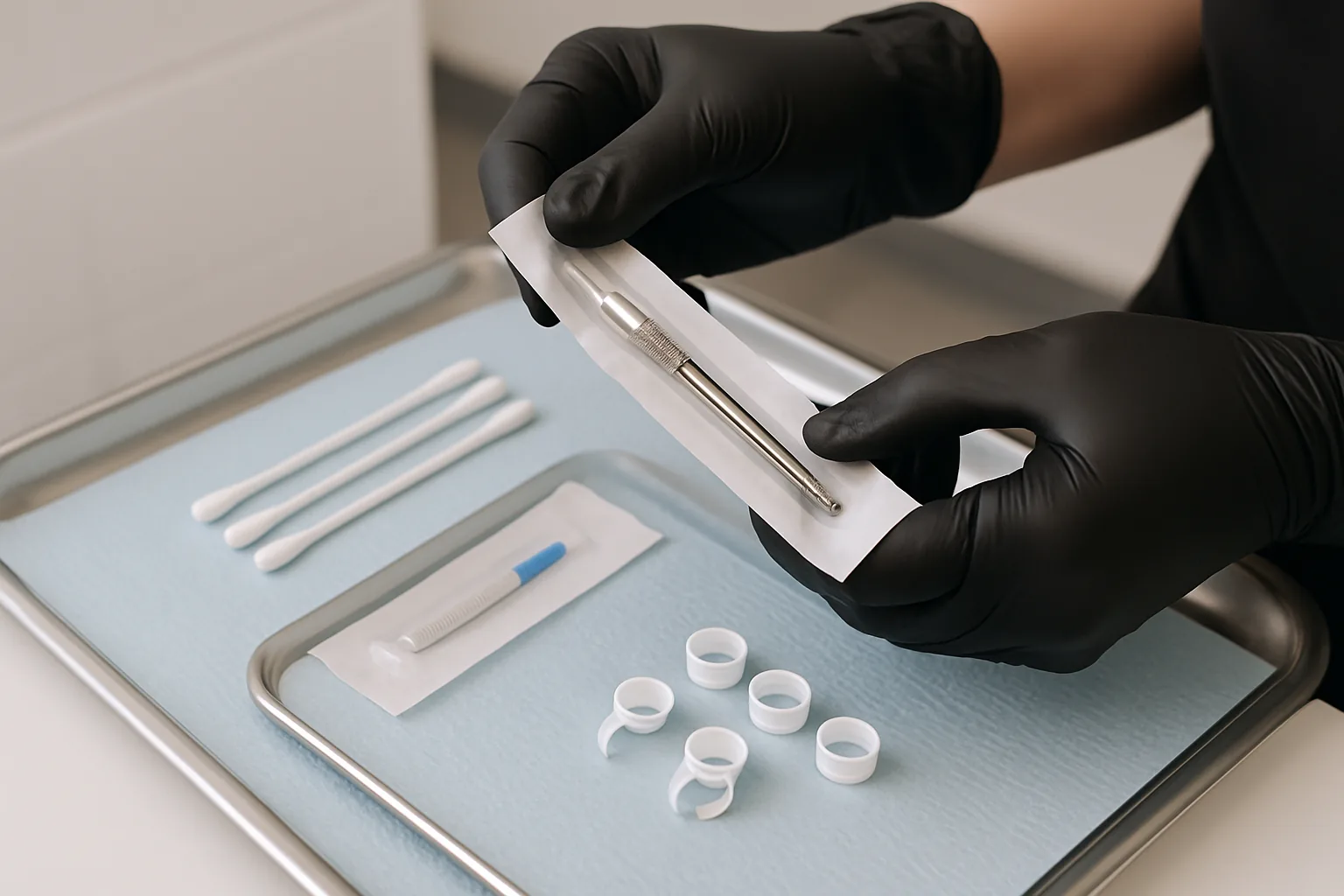
This is exactly why licensing matters. A reputable artist works with single-use sterile blades, fresh gloves, sealed pigment, and a station that has been inspected by the local health department, and they hold a current bloodborne pathogen certification. An unlicensed practitioner working out of a kitchen or a hotel room is the single biggest avoidable risk in this entire field. Good aftercare carries the rest of the load, since an open, healing brow is vulnerable for the first couple of weeks.
Allergic Reactions to the Pigment
Some people react to the pigment itself rather than to the procedure. An allergic reaction can show up as redness, swelling, itching, or small raised papules, and it tends to single out particular pigment colors, with reds and certain organic pigments among the more common culprits. The reaction can be immediate, or it can lag for weeks, months, or even years before it surfaces. This is the reason a patch test before any pigment touches your brows is non-negotiable, even though it is not a perfect screen, since some reactions appear long after a clean test. We cover the delayed, lumpy kind of reaction in depth in our guide to bumps, lumps, and granulomas after microblading.
Scarring, Keloids, and Skin Texture Changes
Microblading should be shallow by design, but an over-aggressive hand changes that. Repeated heavy passes, blades driven too deep, or scabs that get picked during healing can all damage the dermis enough to leave scar tissue, a change in surface texture, or ridges that refuse to hold pigment evenly at the next session. People with a history of keloids or hypertrophic scarring carry a higher baseline risk and should approach any skin-breaking procedure with caution, ideally after a conversation with a dermatologist. Scarring becomes more likely again during removal, when laser or chemical methods are used to break the pigment down.
Pigment Migration, Blurring, and Color Distortion
Two related problems show up over the longer term. The first is migration and blurring. When pigment is implanted too deep, or when oily skin keeps lifting and dispersing it, the crisp hair-like strokes spread and merge into a softer, blockier wash of color. One writer who documented her brows six years on described exactly this, watching defined strokes blur together as the pigment settled. Skin type drives a lot of this outcome, which is why we match technique to skin in our microblading by skin type pairing guide.
The second is color distortion. Pigment that looked like a perfect brown on day one can age toward grey, blue, green, orange, or even pink as it oxidizes and breaks down in the skin. It is one of the most common late complaints, and the chemistry behind it is genuinely fascinating, which is why we devoted a full article to why microbladed brows turn blue, red, or grey. Modern reformulated pigments are more stable than the ones used a decade ago, but no pigment is immune to time.
“Semi-Permanent” Does Not Always Mean Temporary
Microblading is marketed as semi-permanent, with most artists predicting a fade over roughly eighteen months to three years. In reality, fading is far less reliable than that promise suggests. Brow specialists note that many clients still carry visible pigment after three years, and that some brows never fade out completely on their own. When pigment is placed too deep, it stops behaving like a temporary treatment and starts behaving like a permanent tattoo.
That matters because removal is its own ordeal. People who set out to erase old or discolored brows describe chemical and laser removal as genuinely painful, leaving the skin red, scabbed, and aching for days, and it usually takes several sessions. Removal can also leave pale patches or scarring, and breaking down reactive pigment can even provoke a fresh allergic flare. Going in with the assumption that you can simply undo the result later is a mistake. Treat the decision as closer to permanent than not.
Contraindications: Who Should Wait or Skip It
A good consultation includes the word “no.” Several conditions make microblading a poor idea, either for a window of time or altogether.
- Pregnancy and breastfeeding. Most reputable artists decline outright. The concerns include infection risk, hormone-driven shifts in skin and pigment behavior, limits on numbing products, and a simple lack of safety data. Wait until after.
- Blood thinners and bleeding risk. Prescription anticoagulants, aspirin, and even supplements like fish oil, vitamin E, and ginkgo, along with alcohol, all increase bleeding, which dilutes pigment and worsens retention. Talk to the doctor who prescribed your medication, and never stop a prescribed drug on your own to get a cosmetic procedure.
- Autoimmune disease and a weakened immune system. Conditions that slow healing or that drive inflammatory reactions raise the odds of infection and poor results, and some are linked to granulomatous pigment reactions. Get clearance from your physician first.
- Eczema, rosacea, psoriasis, and active flares. Inflammatory skin conditions, especially in the brow area, can flare from the trauma and heal unpredictably. See a dermatologist before booking, and never schedule over an active flare.
- Recent Botox or fillers. Injectables can shift the position of the brow as they settle, so the usual advice is to wait around two weeks after Botox or filler before microblading, so your artist maps the brow to its true resting shape.
- Active skin problems at the brow. Sunburn, breakouts, open lesions, recent waxing, and recent chemical peels or strong retinoids all compromise the skin. Isotretinoin (Accutane) in particular calls for a long gap, often six to twelve months, on a doctor’s guidance.
- Uncontrolled diabetes and other healing-impairing conditions. Anything that meaningfully impairs wound healing raises infection risk and deserves medical sign-off before you proceed.
Warning Signs During Healing: When to Call a Doctor
Normal healing is mild and predictable: a little puffiness and tenderness for a day or two, light scabbing and flaking that clears within about two weeks, and some itching along the way. A reaction or infection breaks that pattern. Call your artist and seek medical care if you notice redness or swelling that spreads or worsens after the first few days, increasing rather than easing pain, warmth around the area, yellow or green discharge or pus, red streaks running from the brow, or any fever and chills. Persistent itching, hives, or swelling that lingers points toward an allergic reaction instead. When in doubt, a doctor is the right call, and you should lead with the fact that you had microblading so the picture is not misread as ordinary acne or a rash. Our microblading aftercare guide lays out the normal day-by-day timeline so you can spot what does not belong.
Lowering Your Risk Before You Book
Most of the danger in microblading is avoidable, and it comes down to a handful of habits. Choose a licensed artist who holds a bloodborne pathogen certification and works in a health-department-inspected space. Ask to see photos of healed results, not just fresh ones taken the day of the appointment. Insist on a patch test. Disclose your full medical history honestly, including every medication, supplement, skin condition, and past reaction. If you have any inflammatory or chronic skin condition, see a dermatologist before you book. And go in with realistic expectations: this is semi-permanent at best, it needs touch-ups, and it is far easier to place than to remove. Many of the everyday questions that come up at this stage are answered in our microblading FAQ.
The honest bottom line is that microblading is a medical-grade cosmetic procedure, not a consequence-free beauty treatment. The people who choose a licensed artist, disclose their health honestly, and rule themselves out when a contraindication applies overwhelmingly heal beautifully and love the result. The risks are real but largely preventable, and the most dangerous shortcut is treating a tattoo on your face as if it were a low-stakes errand.
Sources
- Refinery29 on why microblading carries a real risk of infection and color change
- New York Post for how aging brows turn grey or blue and why removal is so painful
- Cosmopolitan with a writer’s six-year account of fading, blurring, and stubborn pigment
- Allure covering what happens when microblading refuses to fade as promised
- Allure for a broad guide to modern permanent makeup and its trade-offs